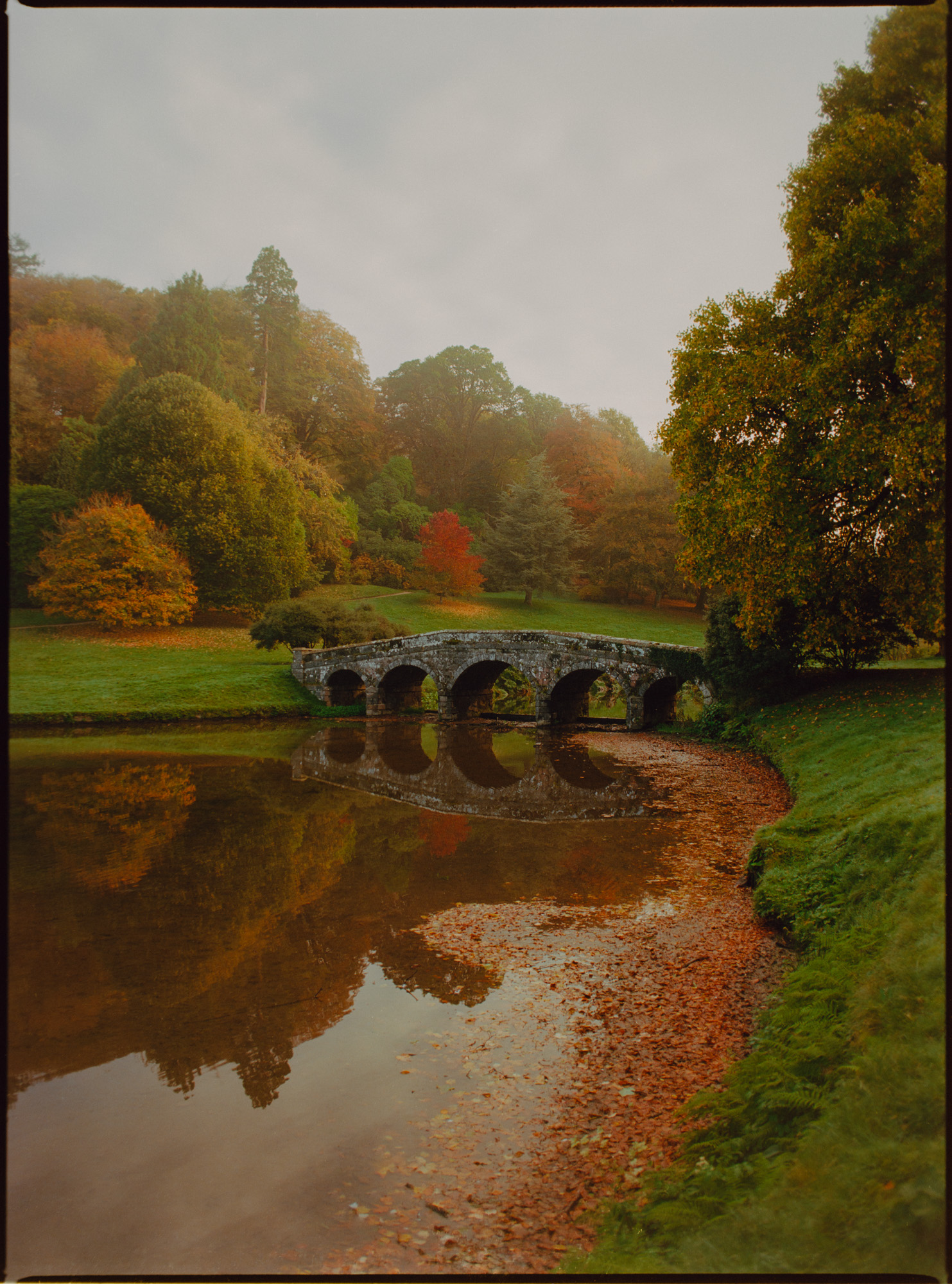
I spend most of my working life as a commercial lifestyle photographer in London, shooting hotels, interiors and brand campaigns across the UK and internationally. The upside of that work is the variety; the downside is that your eye can start to default to brief-shaped seeing — mood boards, shot lists, client expectations. Personal projects are how I keep looking the other way. This one took me to Stourhead, in Wiltshire, for a dawn walk around the lake with a medium format film camera and two very different rolls of 120 film.
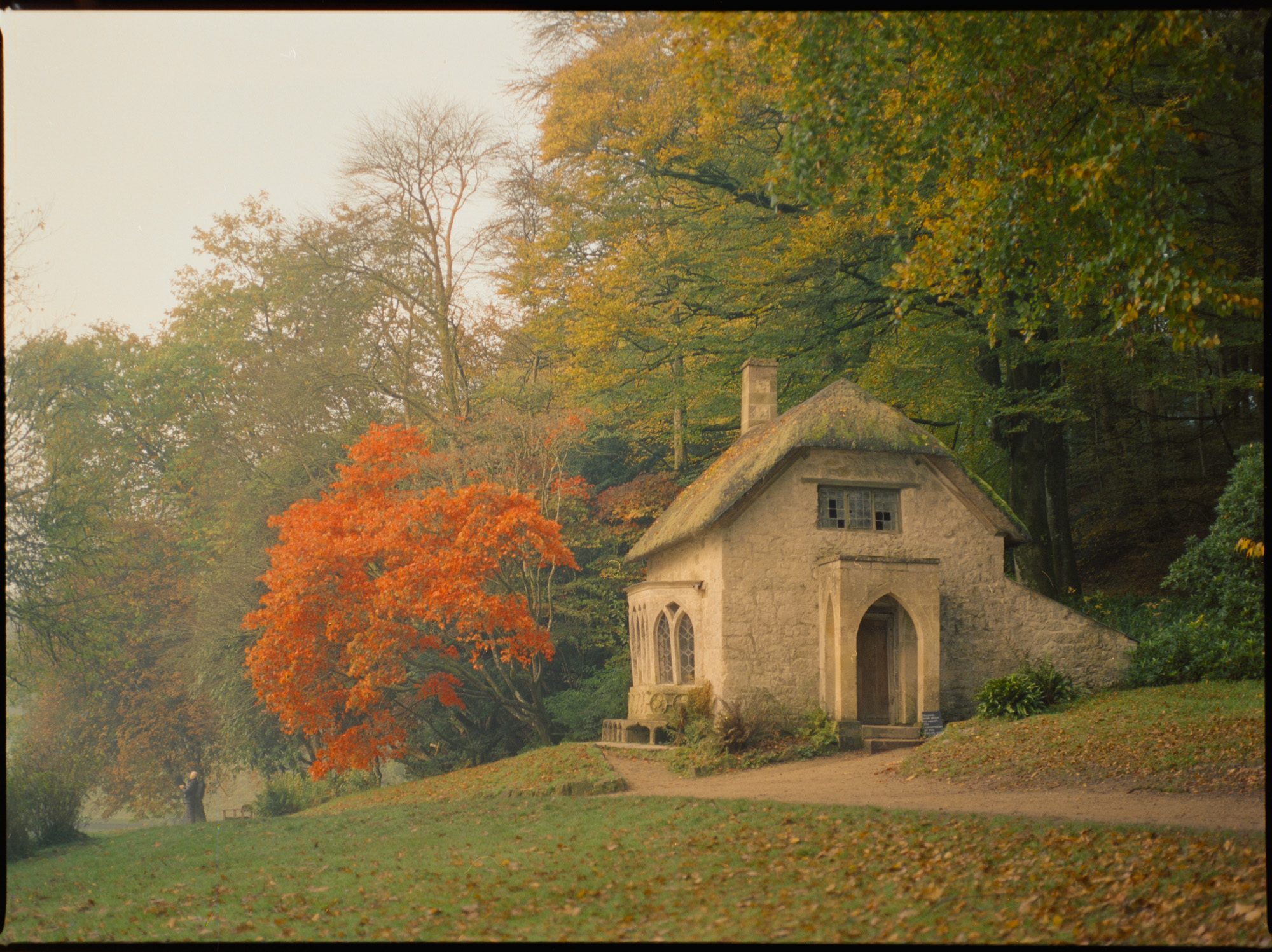
The reason I was there before the gates were open to the public was the National Trust’s First Light Photography scheme — a handful of mornings each year where photographers get access to the gardens before the day visitors arrive. For a landscape as choreographed as Stourhead, that extra ninety minutes of silence makes an enormous difference. No prams, no coach parties, no voices across the water. Just the mist lifting off the lake, the first light catching the Pantheon, and the sound of your own footsteps on gravel.
Two Rolls, Two Different Mornings
I shot the whole morning on a Mamiya 645 — the camera I always come back to for personal landscape work. It’s the kind of medium format body that slows you down just enough, without the ritual of a view camera. One roll of Ektar 100 and one roll of Cinestill 800 was a deliberate choice: I wanted a direct, side-by-side comparison of the two stocks on the same subject, in the same light, within the same couple of hours. Even though the morning gave me one scene, it’s really two visual essays of it — which is exactly what I was hoping for.
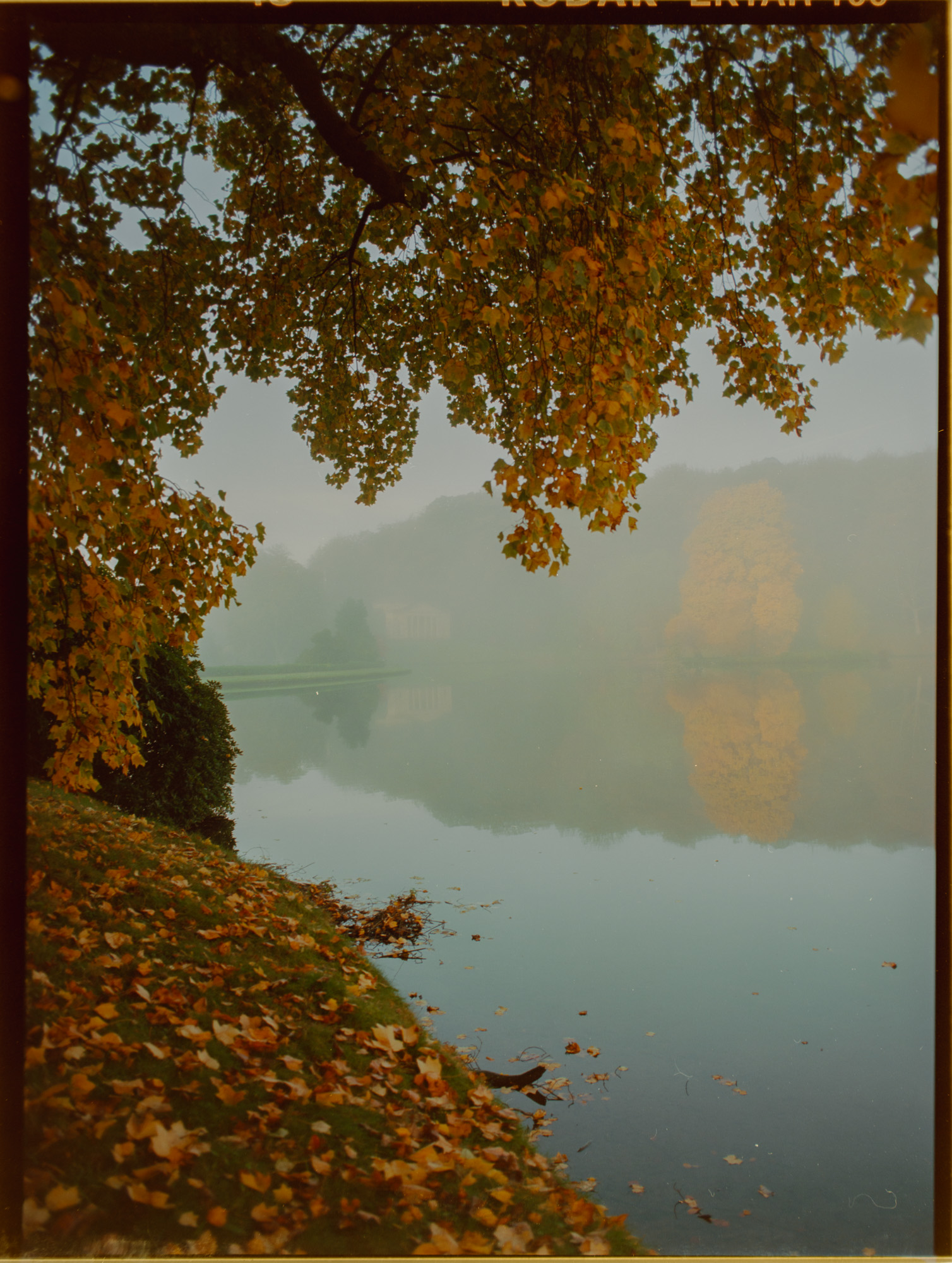
Ektar 100 — Vivid & Sharp
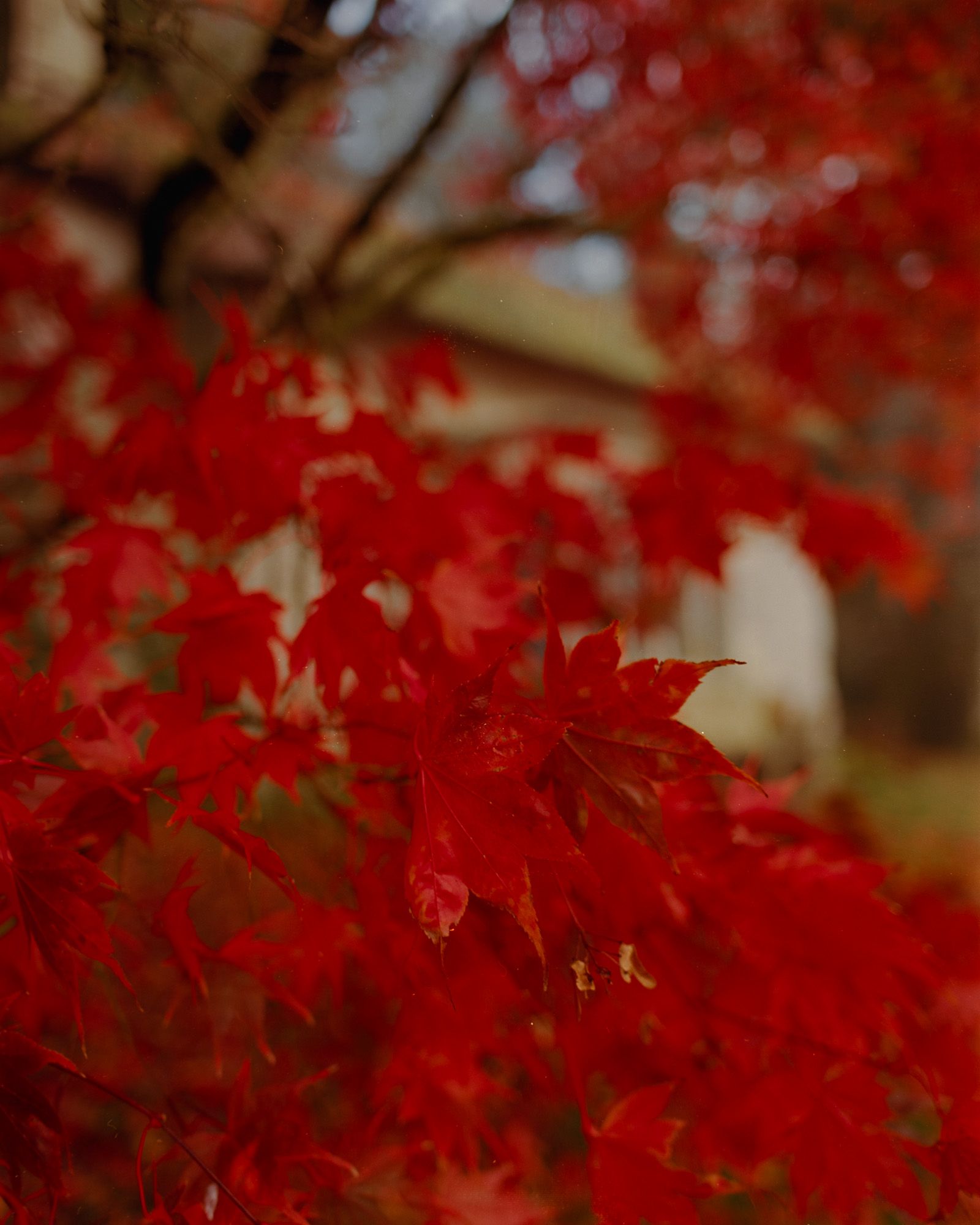
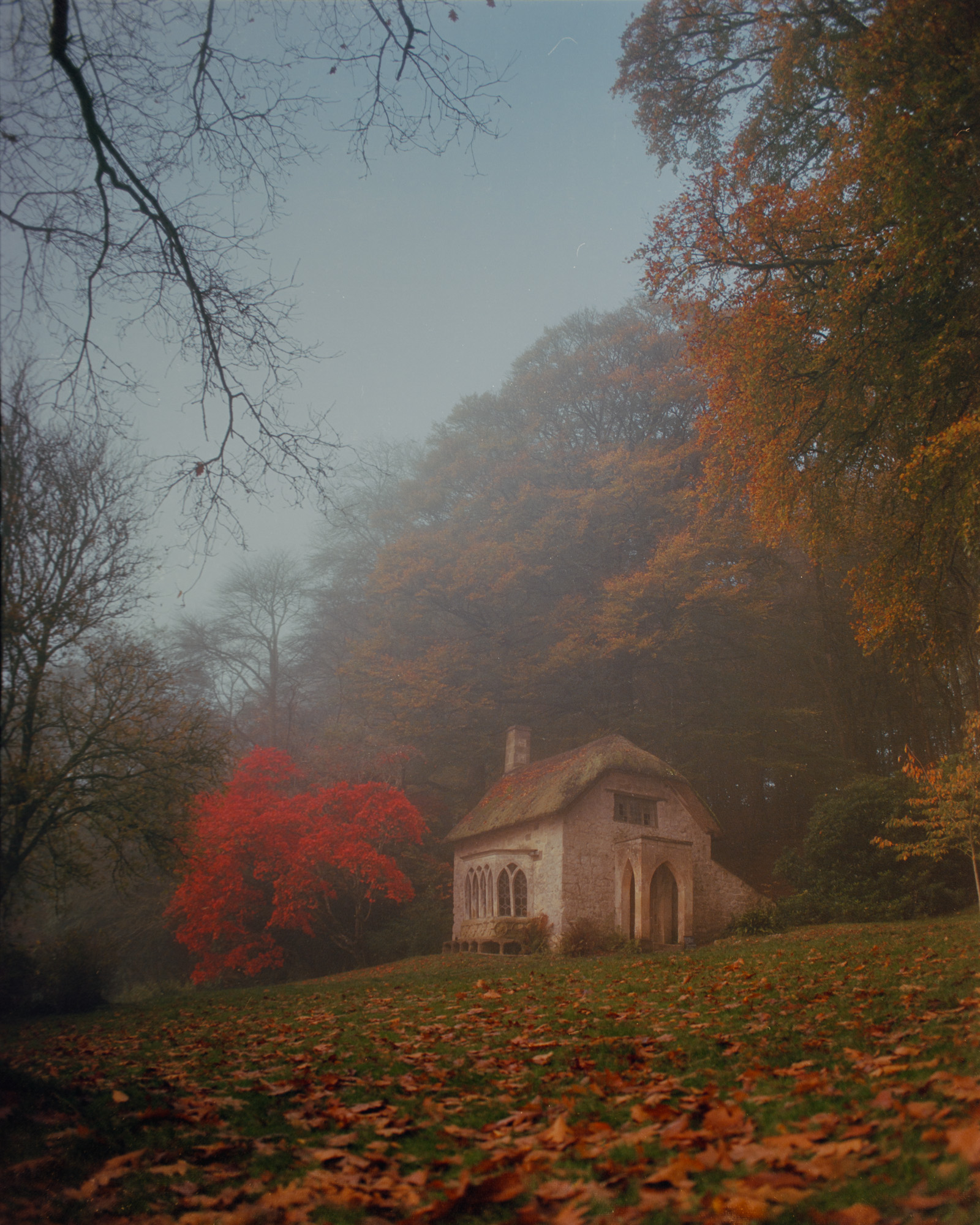
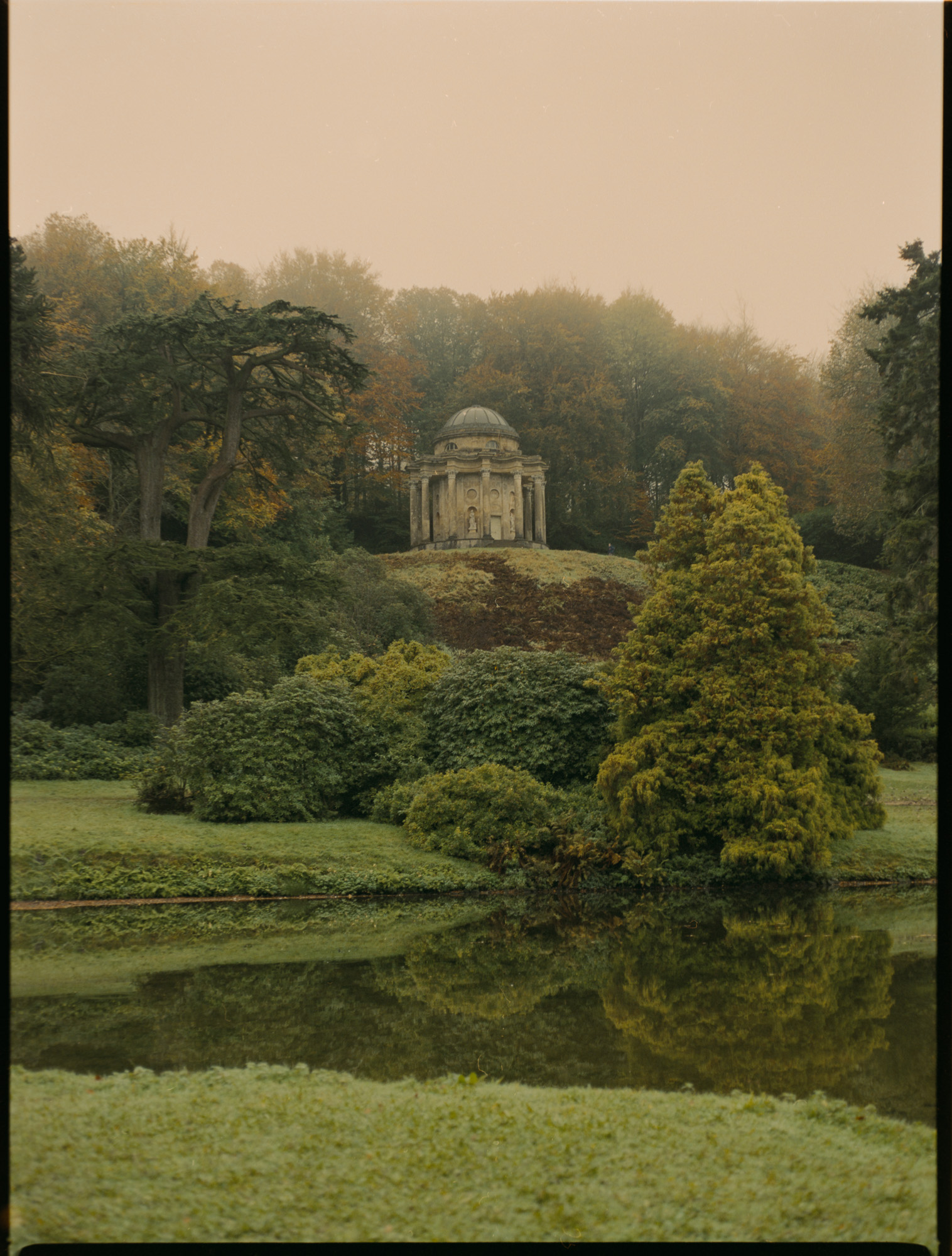
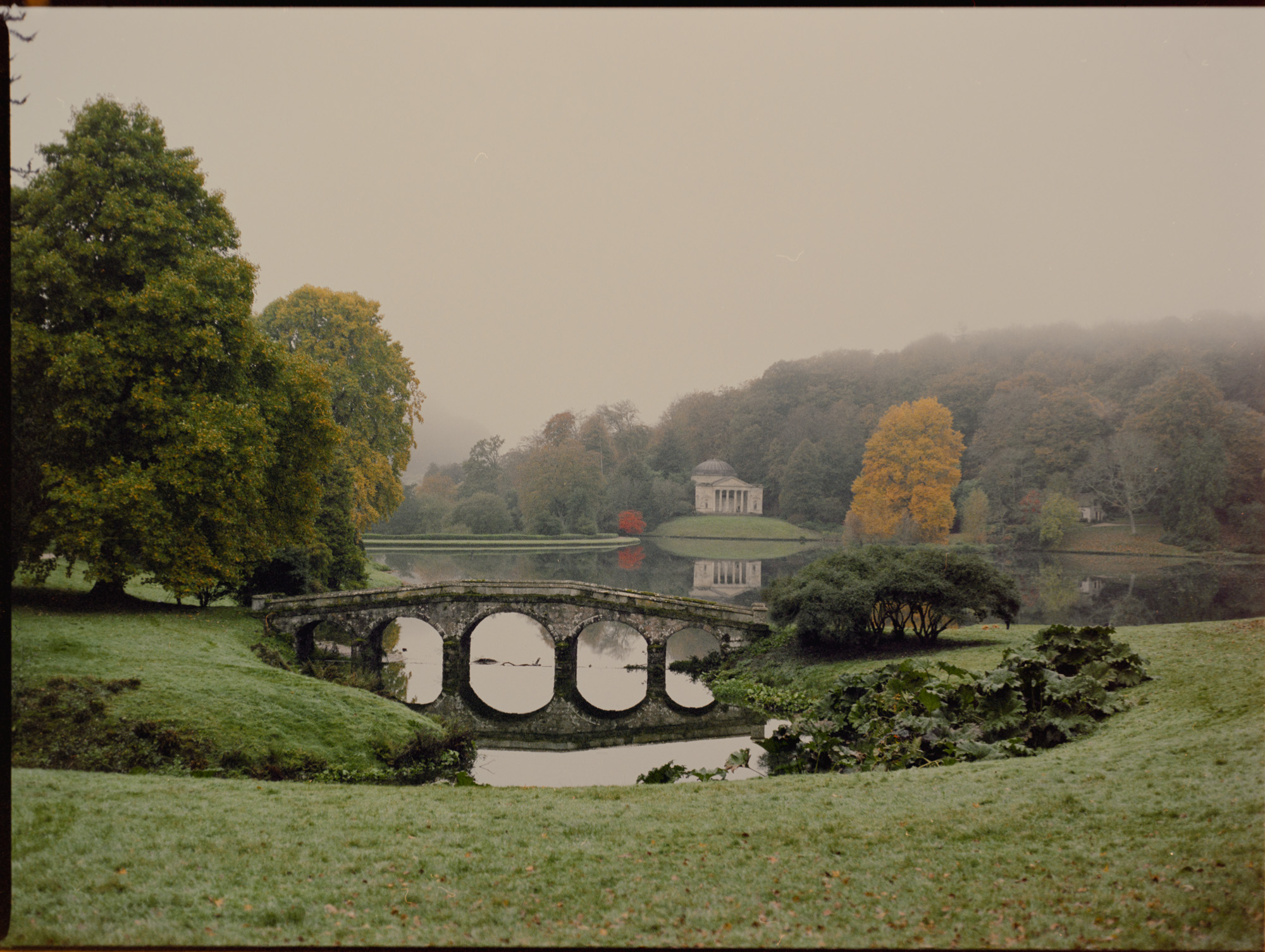
Kodak Ektar 100 is one of those stocks that doesn’t really need defending. It’s the sharpest colour negative film currently in production, with an extraordinarily fine grain for a 100-speed emulsion. On the Mamiya 645’s 80mm Sekor — a lens that already loves resolution — the combination feels almost digital in places. Autumn at Stourhead is a gift to a saturated film like this: the oranges and ochres of the beech canopy, the deep greens of the yew hedges, and the brown-black water of the lake all come through with a quiet richness. The colours are vivid without ever tipping into cartoonish, provided you expose it carefully — Ektar punishes underexposure and rewards you for erring half a stop over.
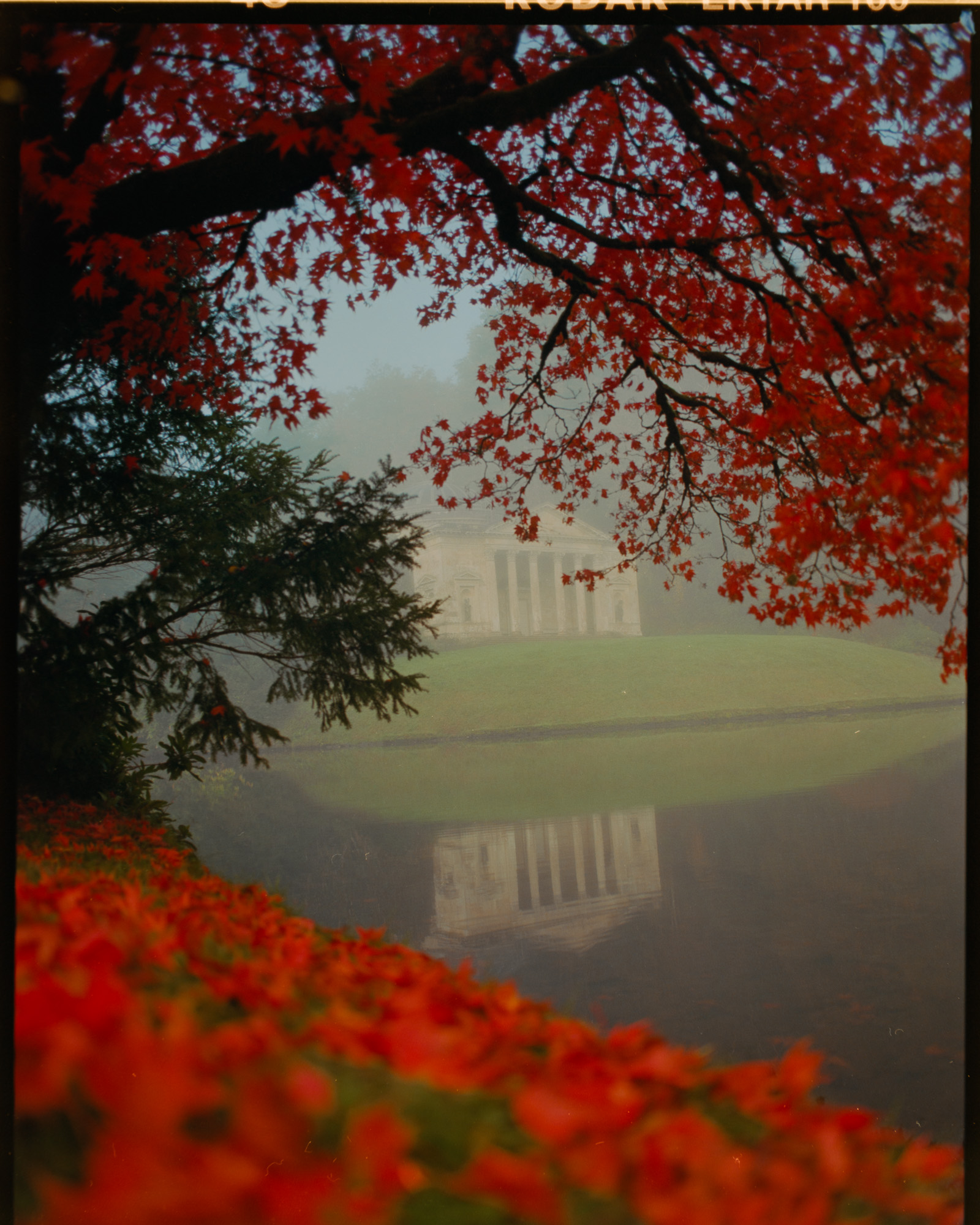
Shooting Ektar on the First Light scheme felt like the right pairing. The low early-morning sun pulls out texture in the stonework of the follies — the Temple of Apollo, the Pantheon, King Alfred’s Tower in the distance — and Ektar renders those warm highlights with real punch. In the commercial lifestyle work I do, Ektar is often how I shoot hotels and resorts on film when I want colour that feels close to what the eye saw. Here it’s doing the same job on an English autumn landscape, with the same honesty.
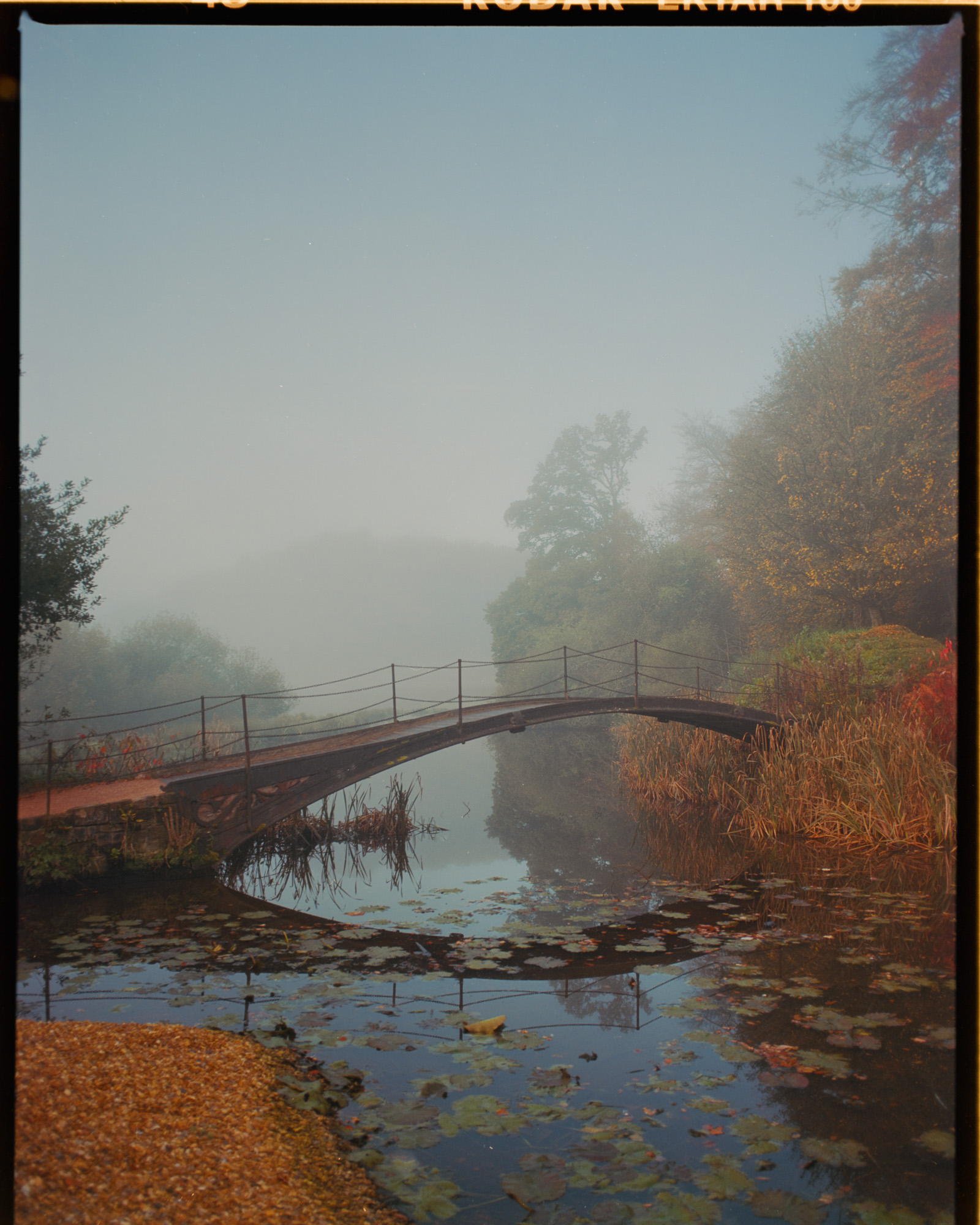
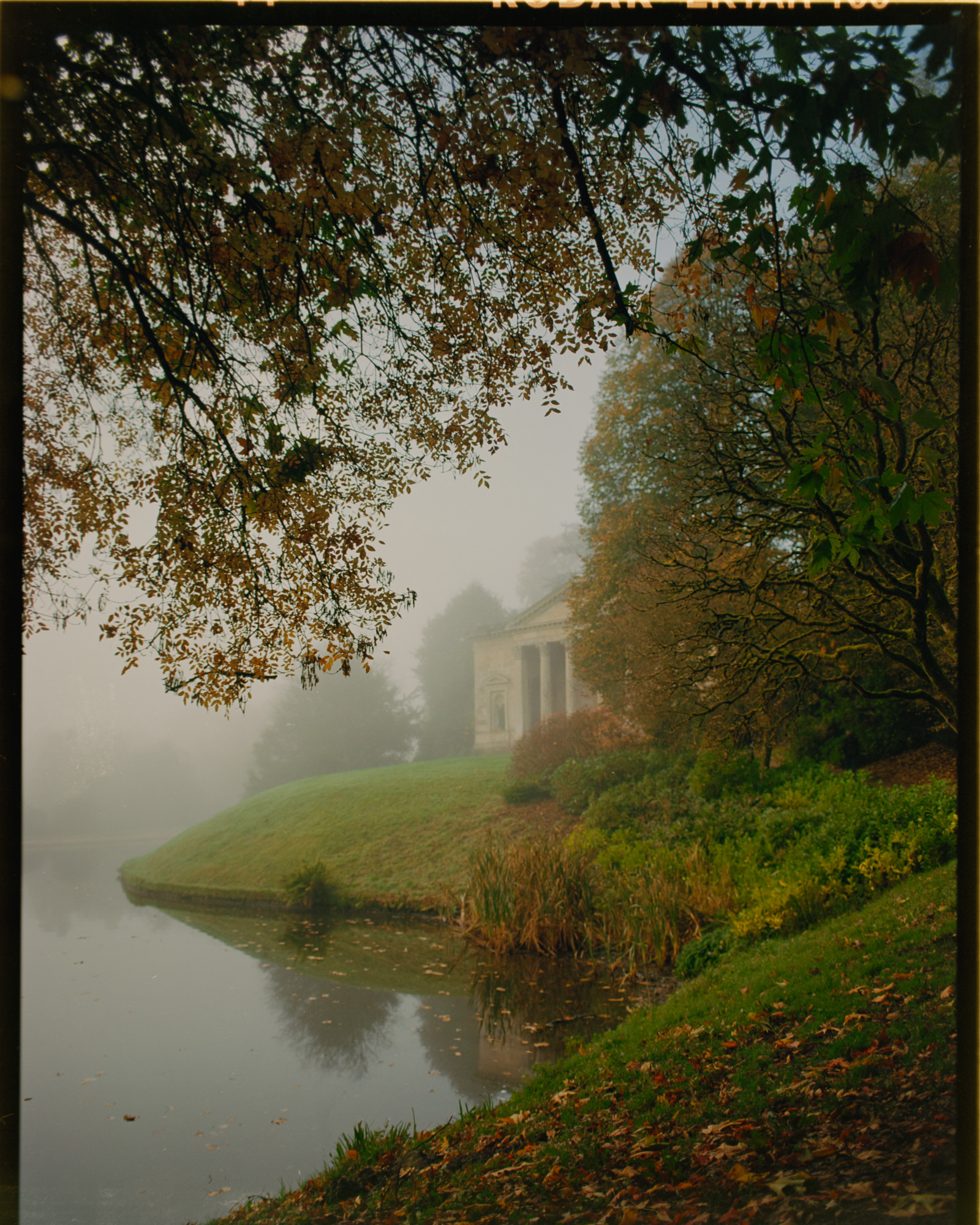
Cinestill 800 — Mythical & Still
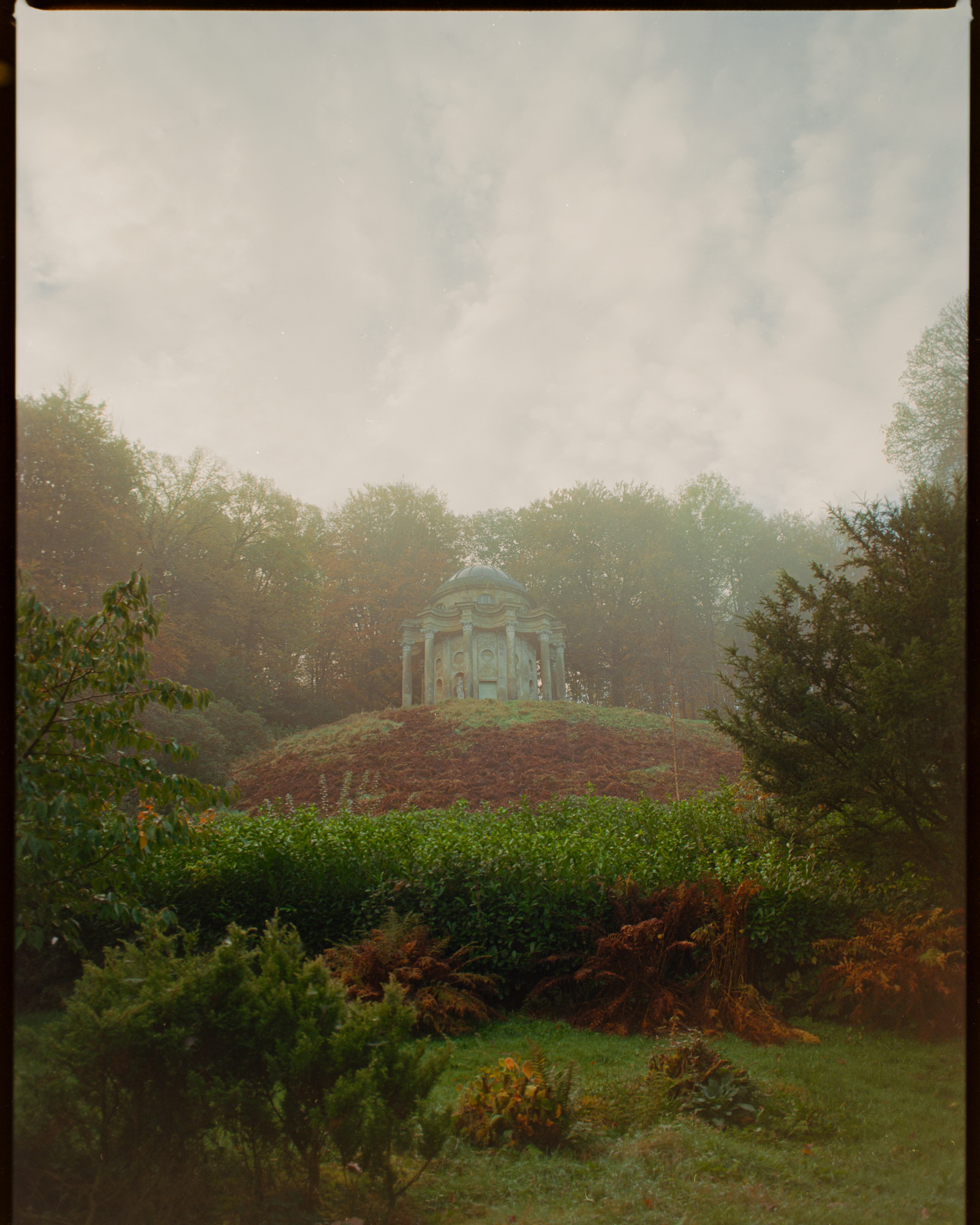
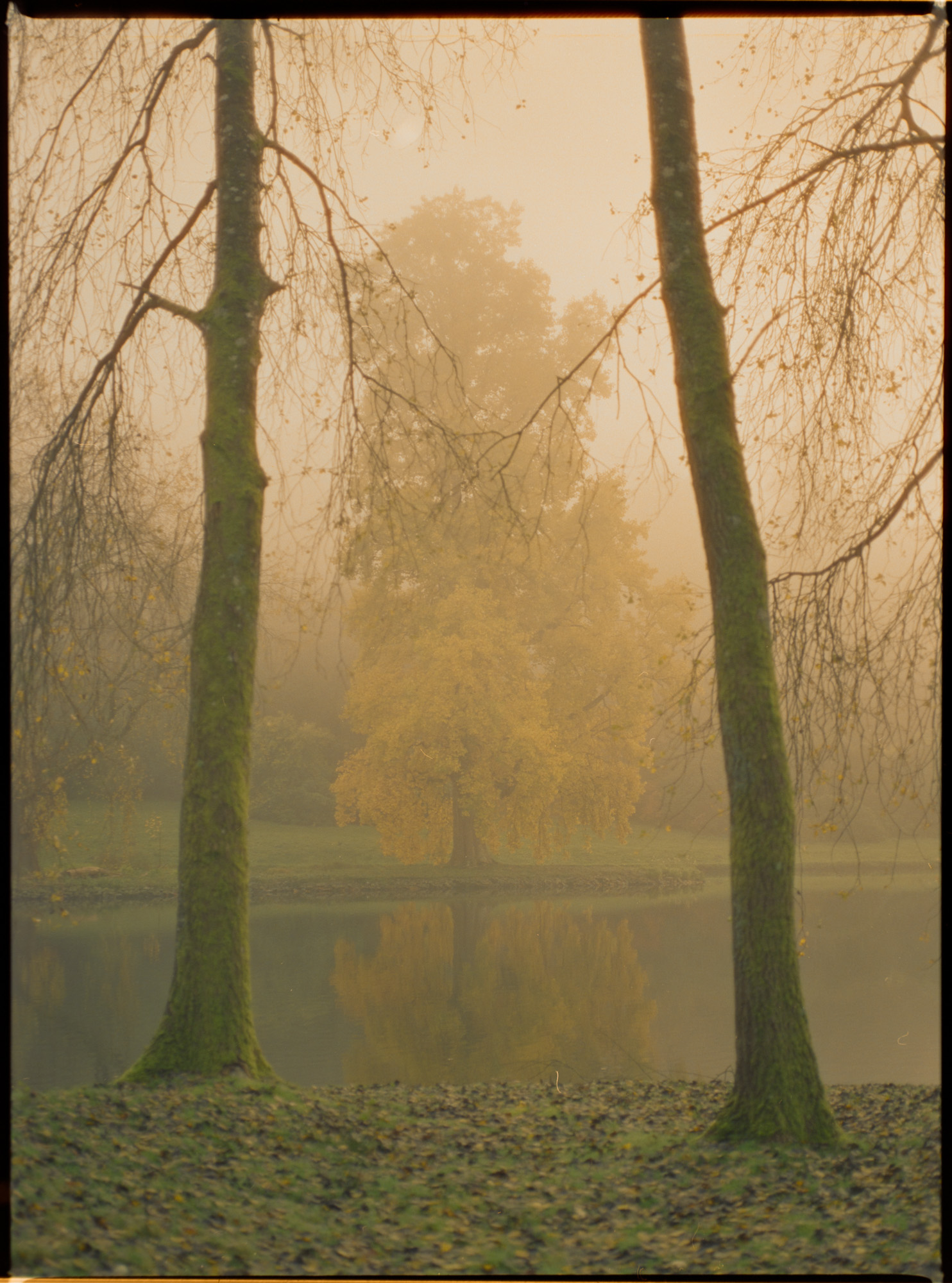
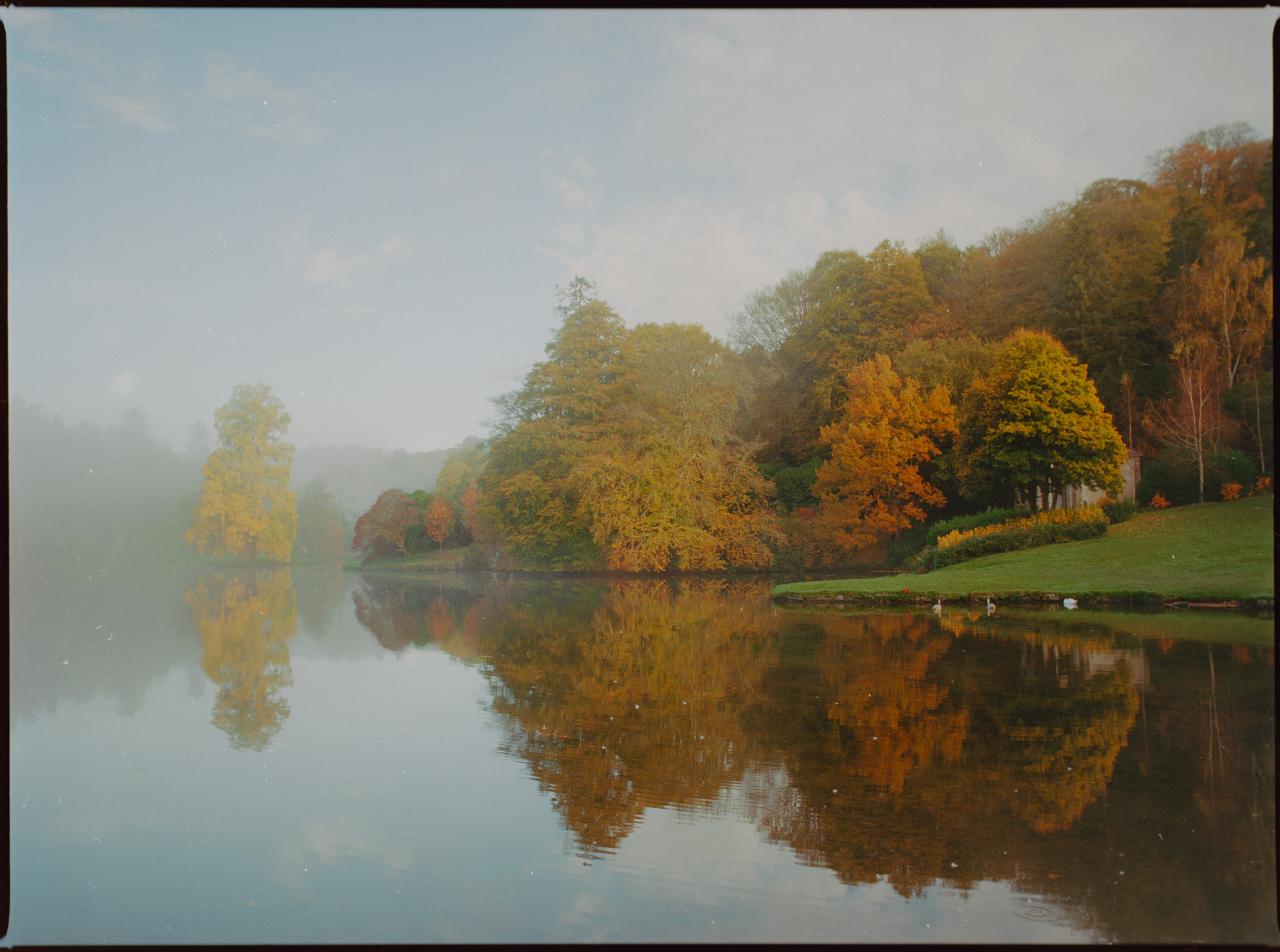
The second roll was the one I was really looking forward to. This was my first time ever shooting Cinestill 800, the tungsten-balanced cinema stock from Kodak’s Vision3 500T that Cinestill rehouse for still cameras. Its reputation precedes it — the famous red halation around point light sources, a shifted colour palette, and that unmistakable cinematic feel. What I didn’t expect was how well it would suit a quiet landscape at dawn. Instead of nightlife and neon, I had mist, cold water and soft diffused sky — and Cinestill handled all of it beautifully.
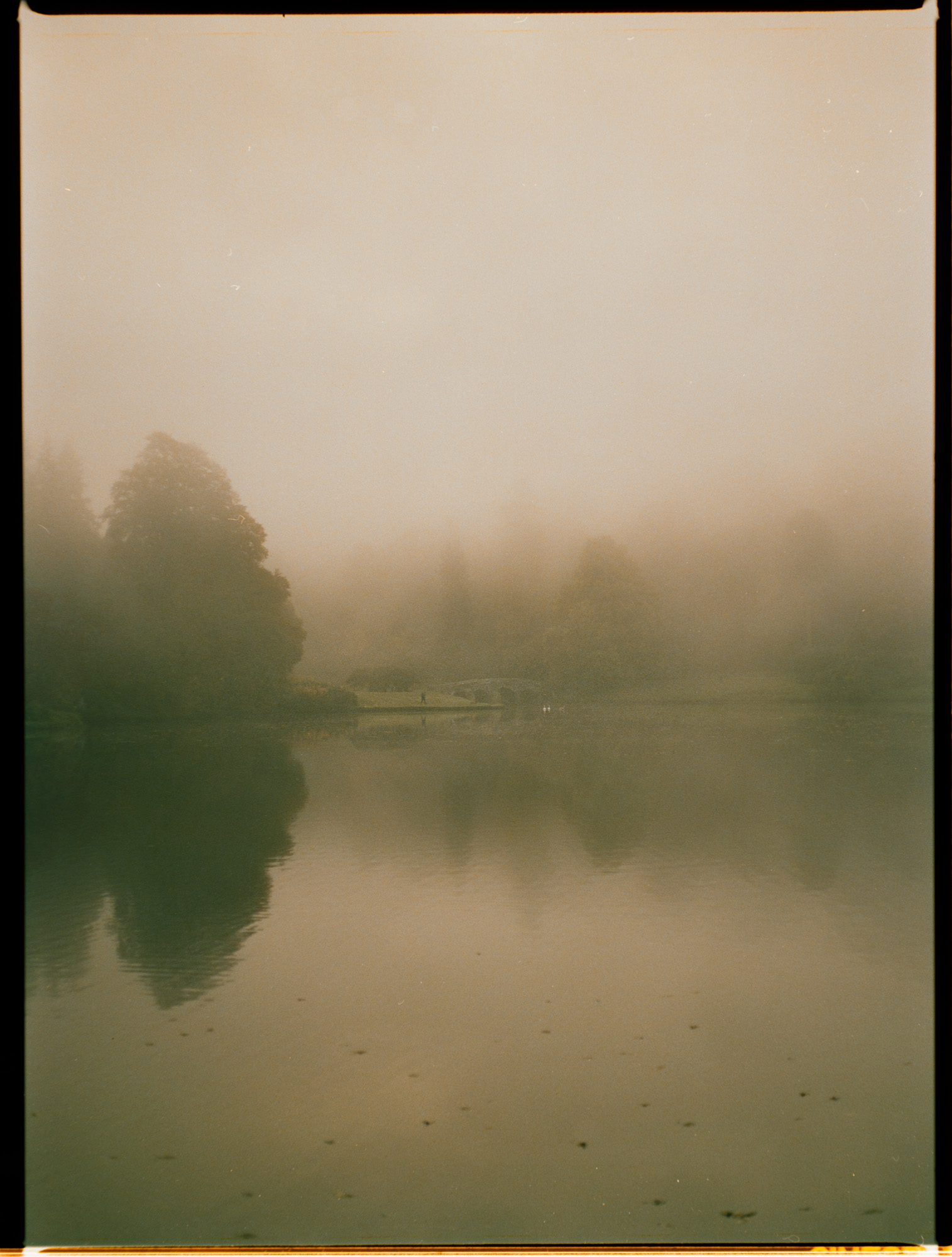
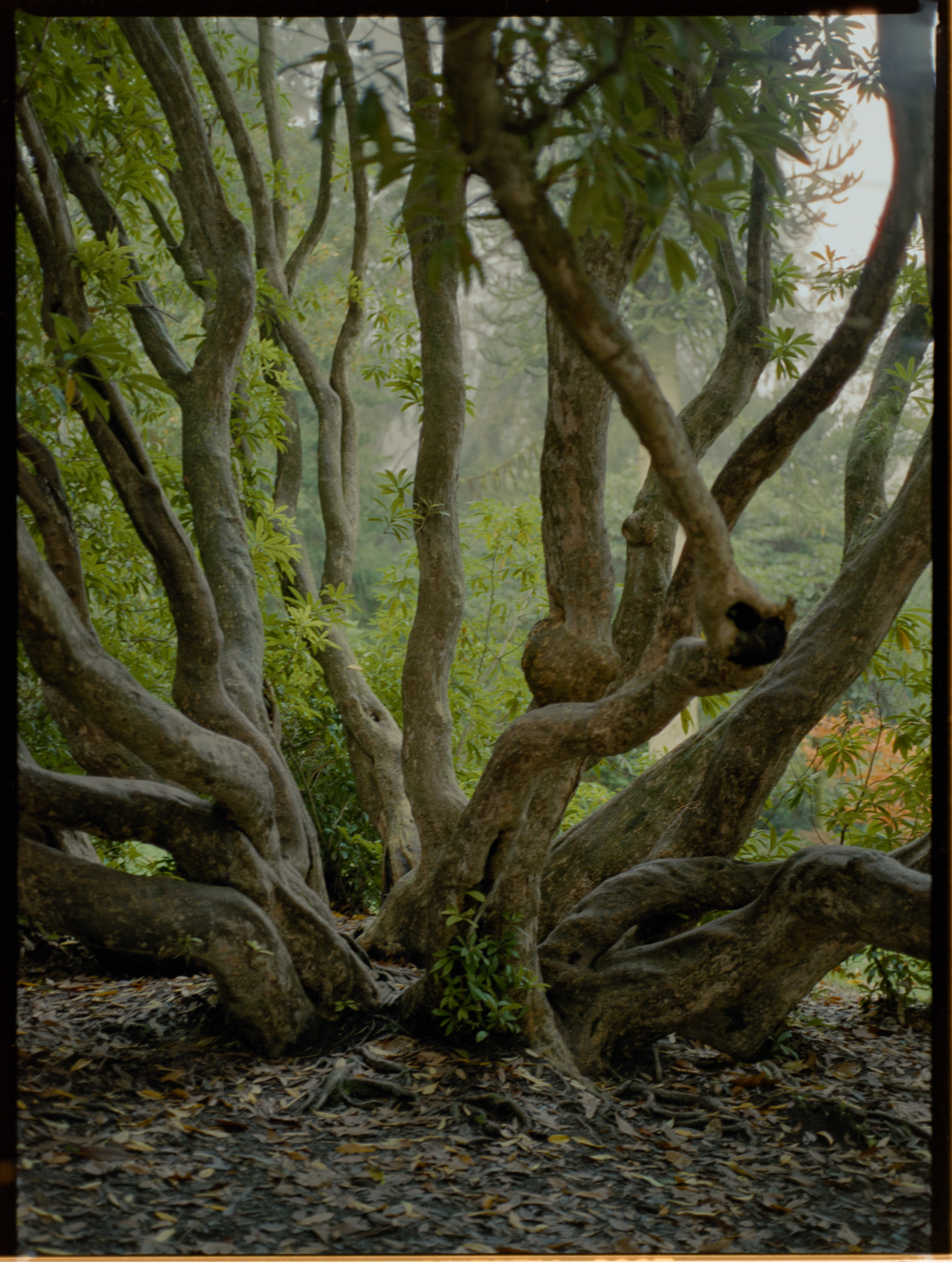
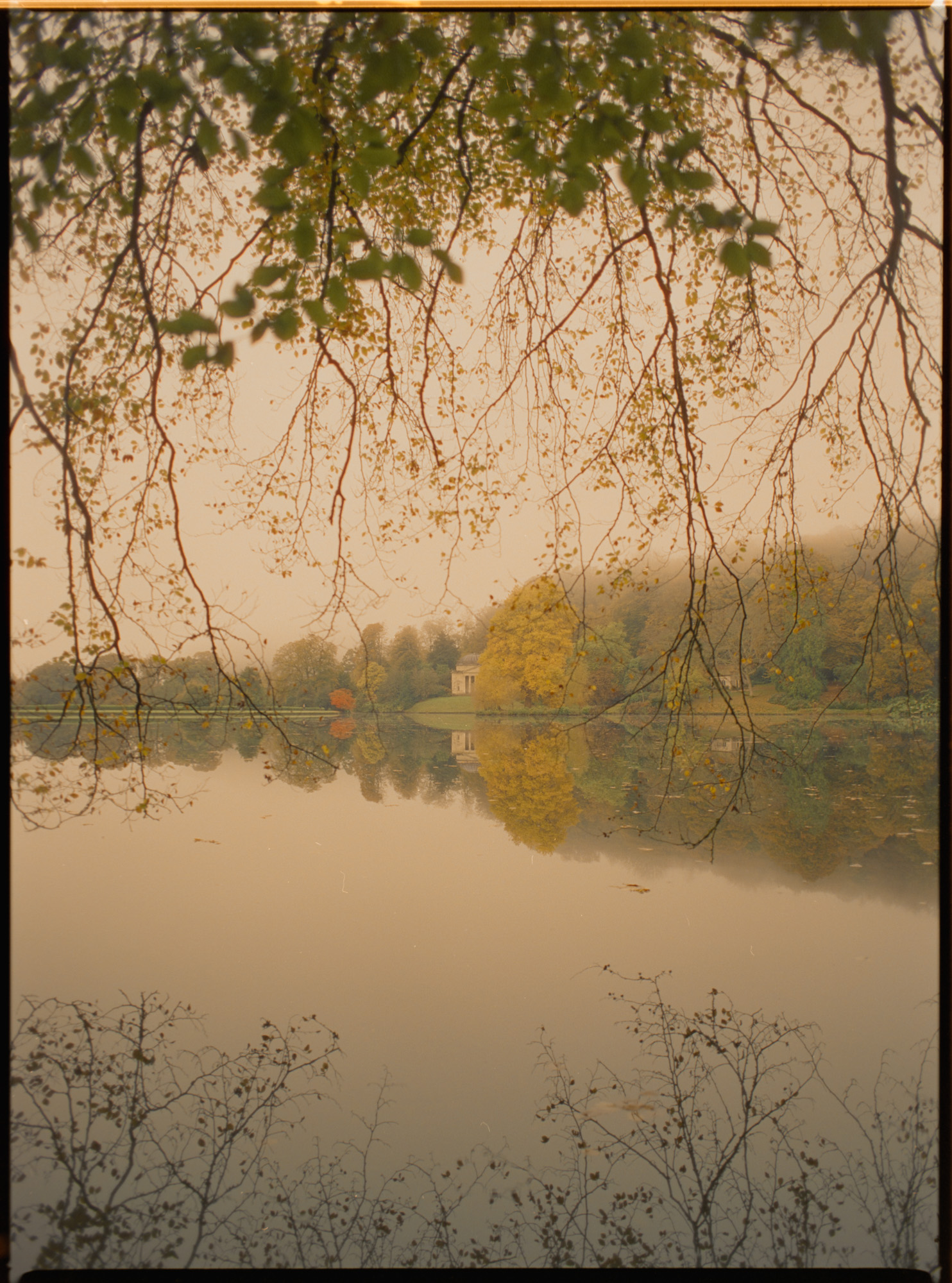
The thing I loved most was the stillness. There’s a particular ambience Cinestill 800 gives you — the colours shift cooler, the shadows go a little blue, and the overall palette takes on an almost mythical quality. Standing on the lake path watching the Pantheon emerge from the mist, I could already picture the frames the way they’d render on film. Shot at box speed and metered carefully, the latitude is wider than I was expecting; the highlights roll off beautifully and the shadows hold enough detail that nothing feels crushed.
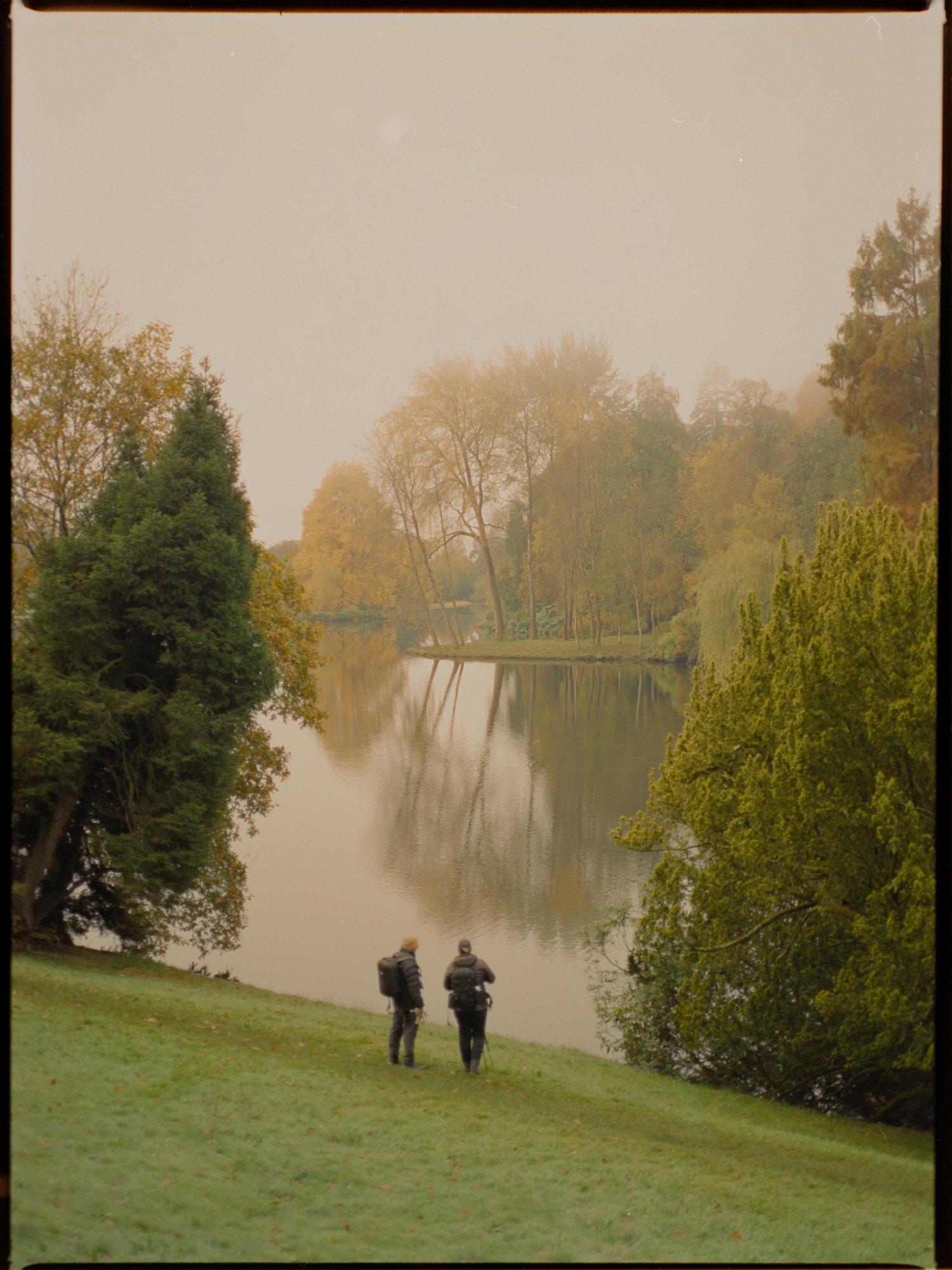
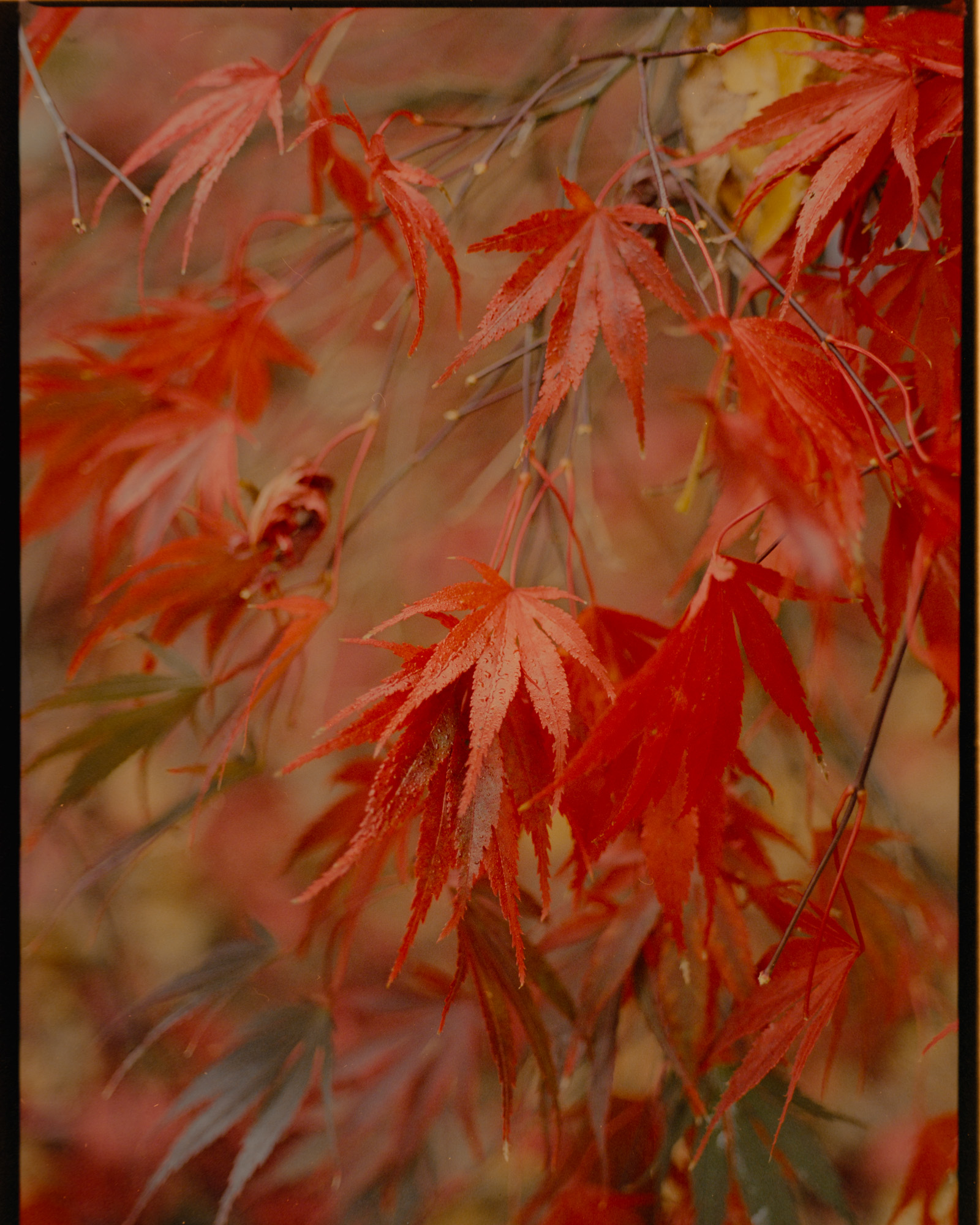
Side by side with the Ektar frames, the difference is striking. The Ektar roll looks like Stourhead on a bright autumn morning — what you’d see with your own eyes if you were paying attention. The Cinestill roll looks like a memory of Stourhead — softer, cooler, slightly dreamlike, the way the place lingers in your head after you’ve left. Both are honest in their own way, and I’m already thinking about where to take Cinestill next. Dusk in a city would be the obvious choice, but I suspect it would surprise me again somewhere else quiet.
Why Personal Work Still Matters
There’s a reasonable question any commercial photographer should ask of themselves periodically: why spend a Saturday morning out at Stourhead on film when none of this will ever appear in a brief? The honest answer, for me, is that the mornings I spend on personal projects are the mornings that keep my commercial work from going stale. Being free to pick the slower stock, make a thoughtful comparison between two films, and shoot without any outcome in mind feeds everything else. The quietness of a dawn walk at Stourhead with a Mamiya 645 is the opposite of a hotel shoot in Cancun or a lifestyle campaign in London — and that’s precisely the point.
If you’re a photographer and you haven’t tried a First Light session yet, I’d recommend it strongly. The National Trust runs them at a handful of properties across England and the fee goes back into looking after the places. For film shooters especially, having the garden to yourself for an hour or two feels like a small, generous miracle. And if you’re someone looking for a commercial photographer in London for your own hotel, interiors or lifestyle brief, you can find all of that work in commercial projects, with hospitality specifically covered on the hotel photography page.
Shot on Mamiya 645 — Kodak Ektar 100 & Cinestill 800 — Two Rolls, 18 Frames — Stourhead, Wiltshire