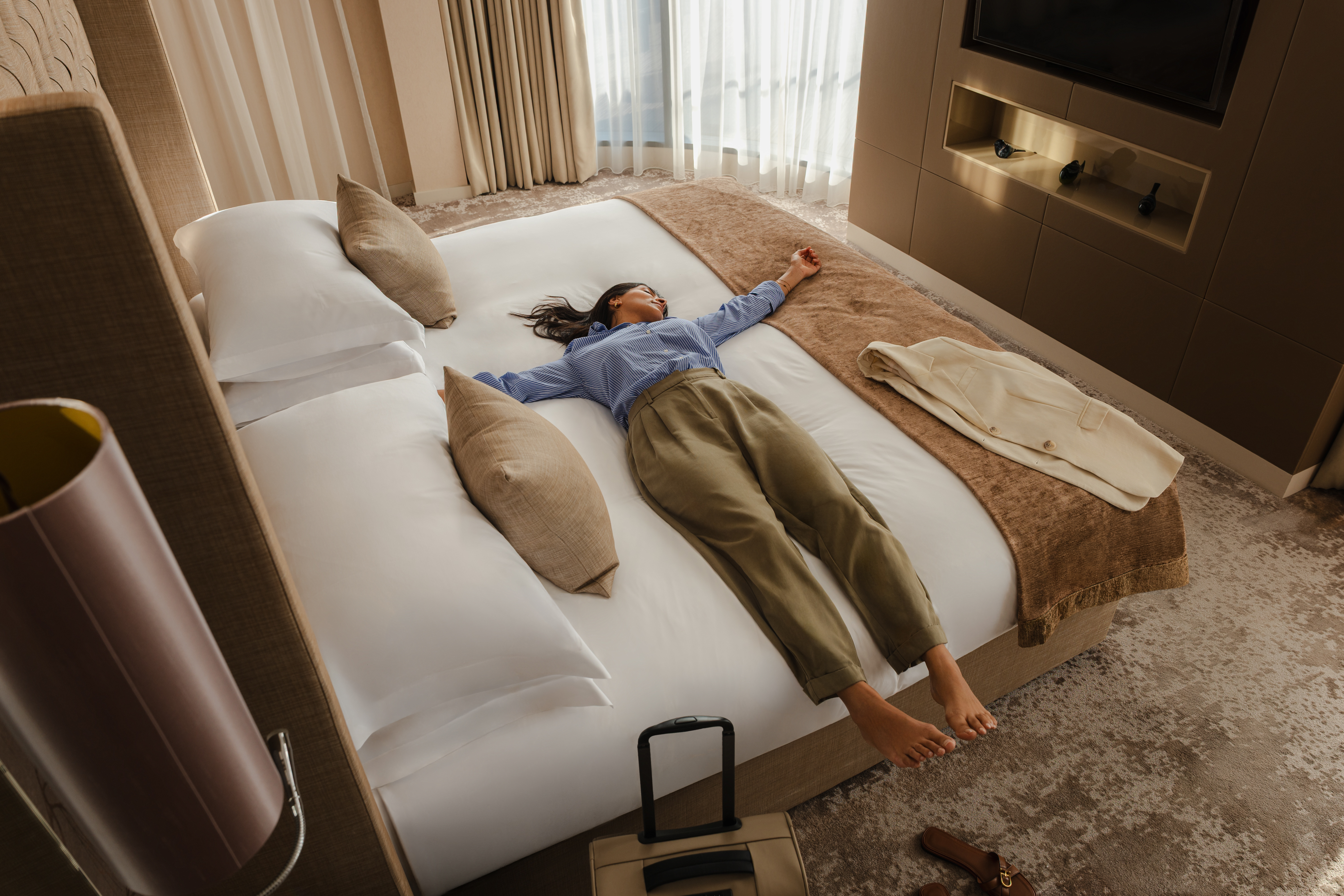
Earlier this year I was commissioned to produce a new image library for Cheval Collection — a portfolio of luxury serviced apartments in some of central London’s most desirable neighbourhoods. The brief was broad in scope but very precise in intention: produce a single, coherent body of work that could carry a complete rebrand across their website, OTA listings, social channels, and print collateral — and do it in a way that captures not just the apartments themselves, but the service and the sense of place that comes with them. The result was four distinct shoots, produced over four months, that I think together make one of the clearest pieces of work I’ve done in the luxury hospitality space. This is a quick walk-through of how it came together.
Why Serviced Apartment Photography is its Own Thing
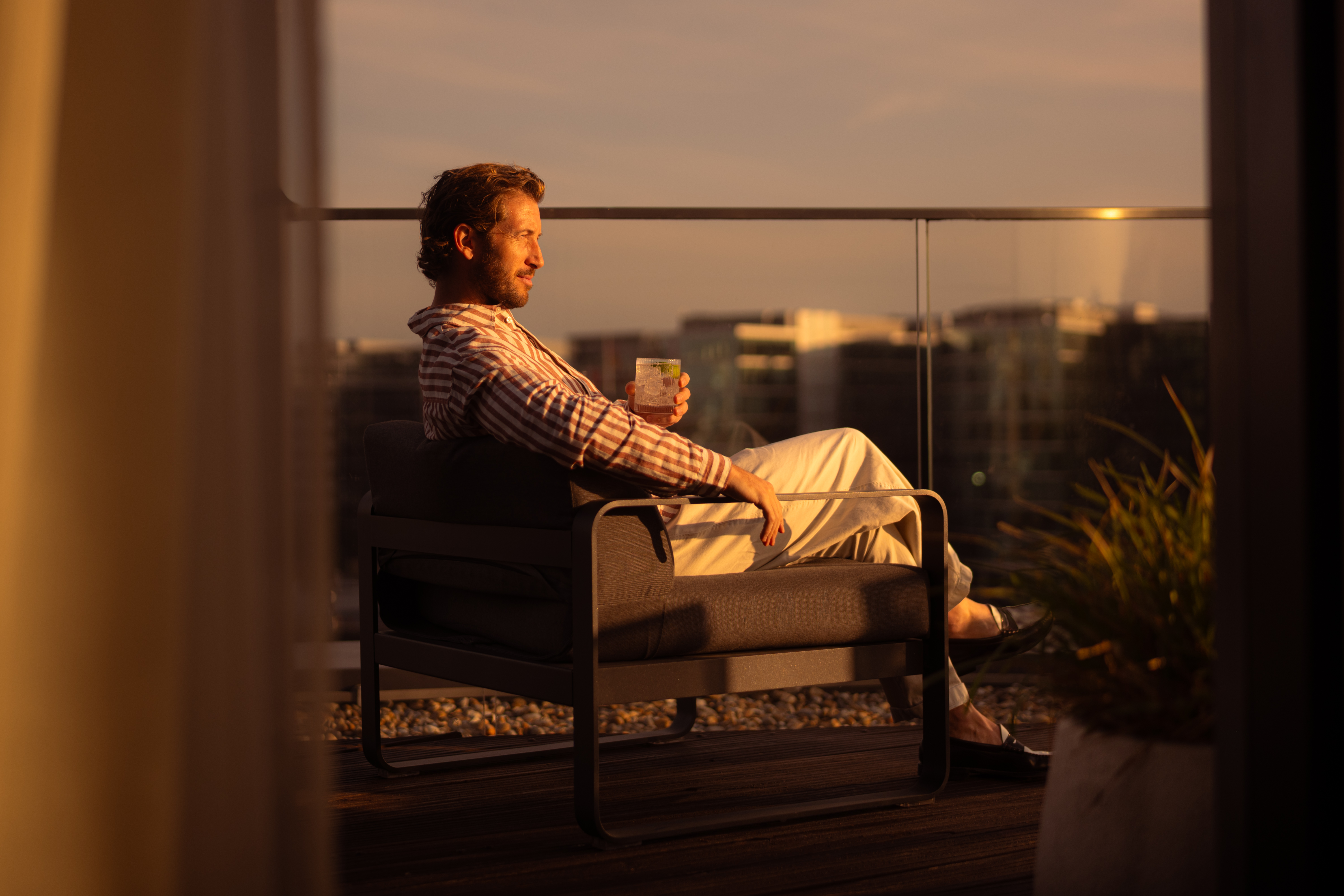
A lot of what I shoot sits under the broad umbrella of hospitality — hotels, resorts, members’ clubs, restaurants. But serviced apartment photography is a specific sub-genre that genuinely deserves its own thinking. A guest booking a hotel room is picturing one night, maybe three. A guest booking a serviced apartment is picturing a week, a month, sometimes longer — often with family, often while they’re working, often while they’re relocating or displaced. What they’re buying is not a room; it’s a London life, in miniature, for the duration of their stay.
That shift completely changes what the photography has to do. It can’t just show a beautiful bedroom. It has to show the morning kitchen, the quiet of the living room with the city outside, the walk to the Tube in the morning, the character of the local high street, the wine shop around the corner. In the Cheval work, we treated this as a first-principles rule: every image has to help a prospective guest picture themselves genuinely living there, not just sleeping there. That intent sat under every creative choice we made across all four shoots.
Shoot One — Lifestyle at Three Quays
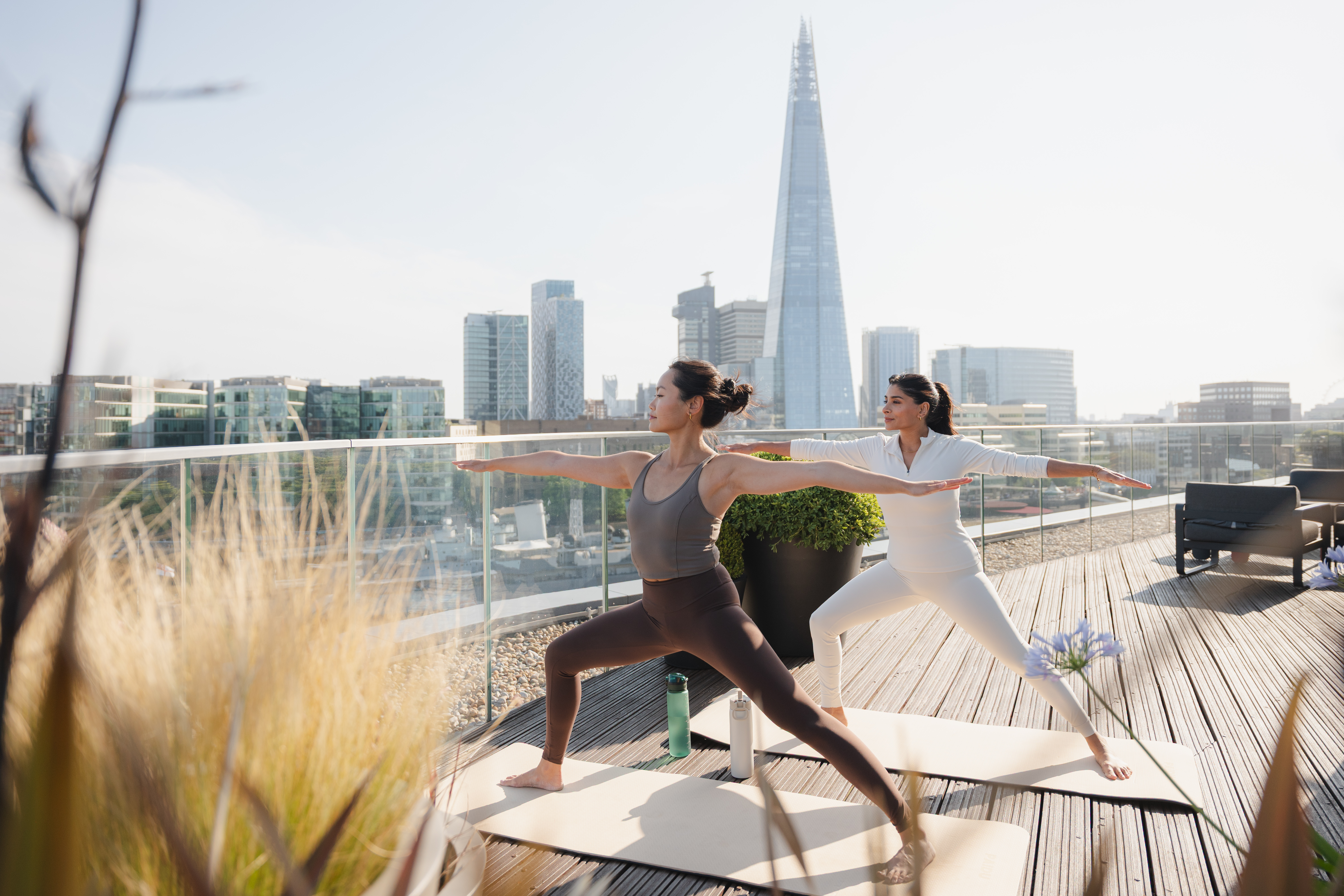
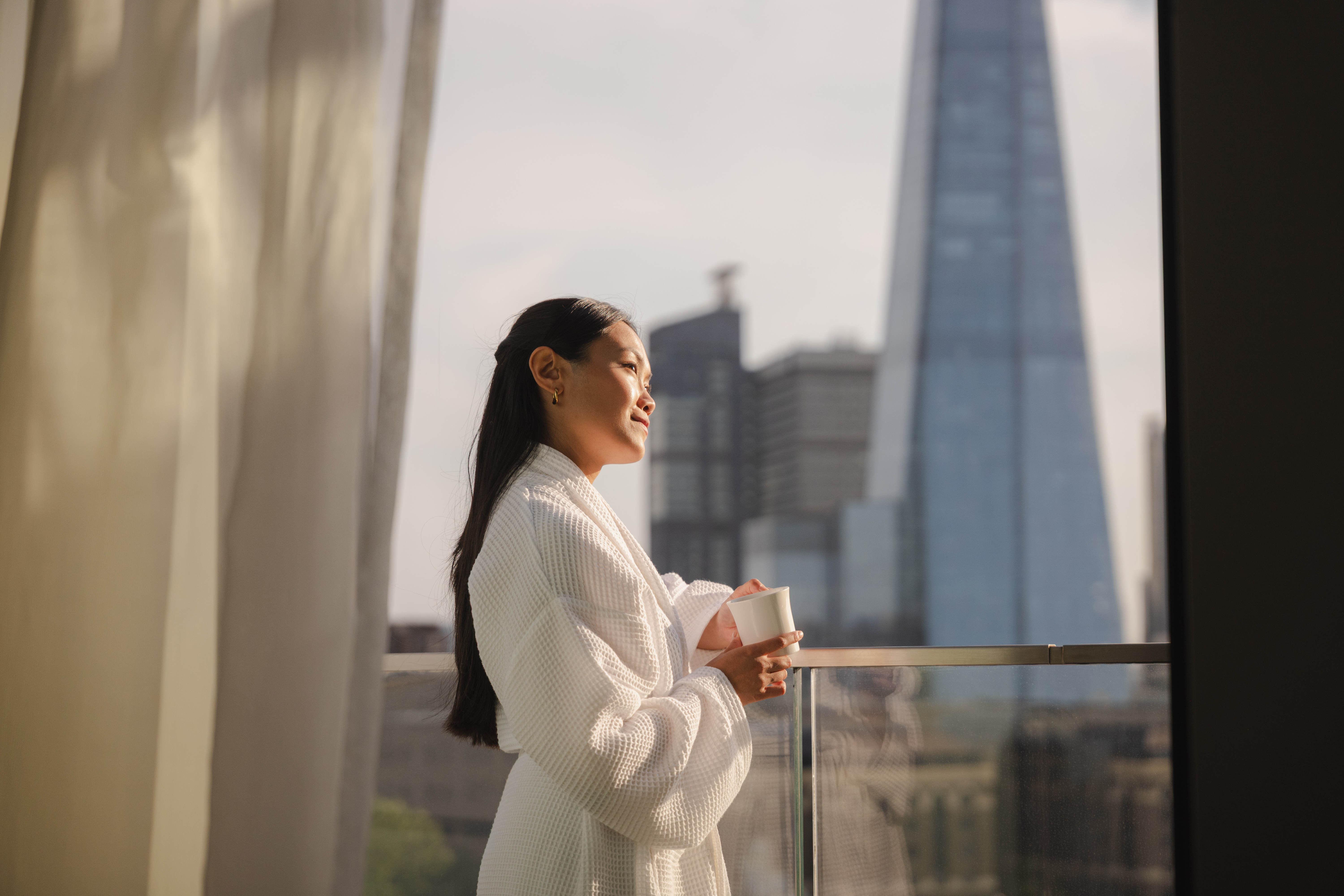
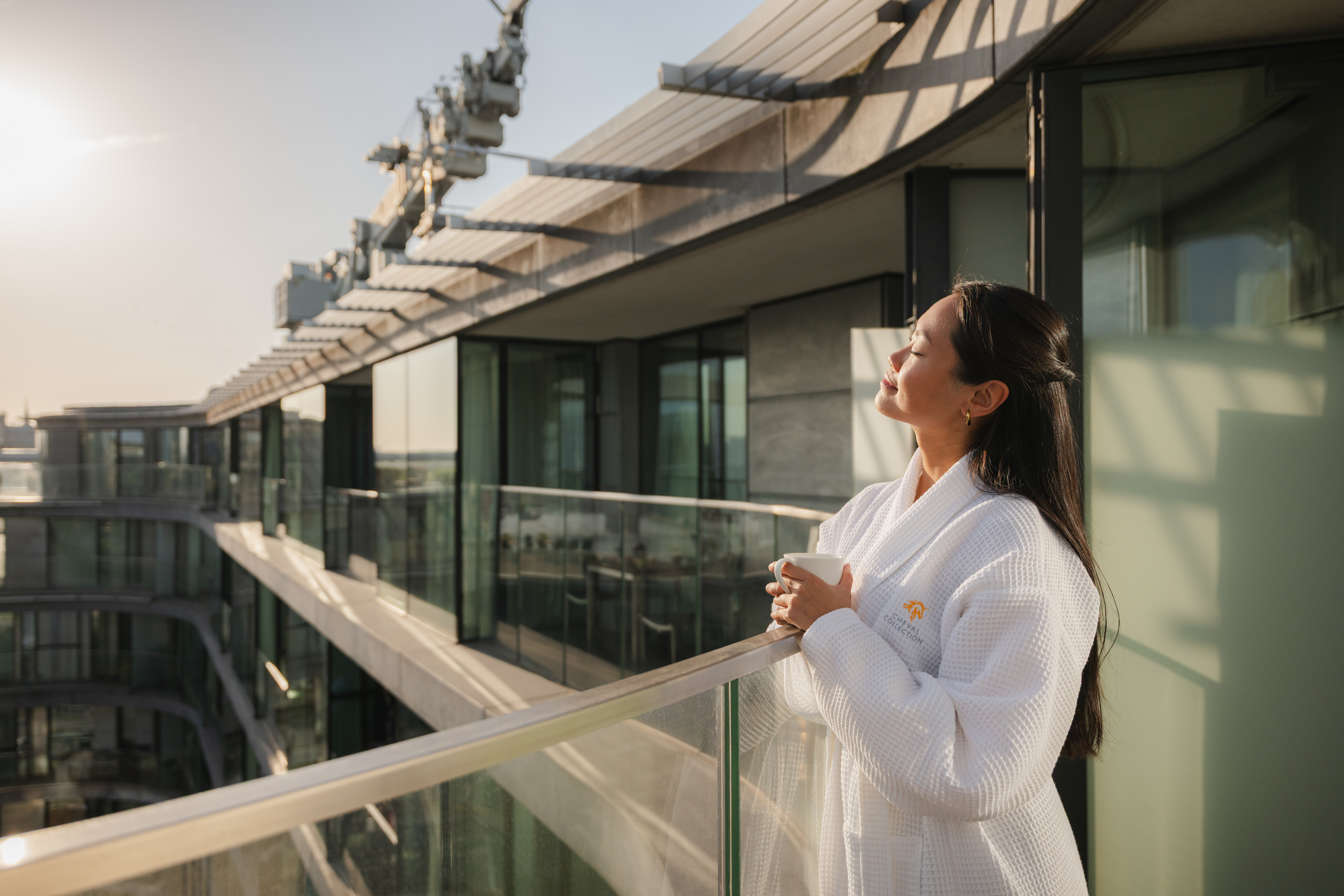
The lifestyle shoot was always going to be the anchor of the project. We produced it at Cheval Three Quays, their Thames-side property beside the Tower of London — a view I don’t think anyone grows tired of — with a cast of models booked to play the guests. The visual tone had to feel considered without ever feeling staged. Everything we shot was built around real behaviours: coffee first thing, a quiet afternoon on the sofa with a book, cooking supper in the open kitchen, a glass of something at the window as the river lights came on. The job of the camera was to disappear.
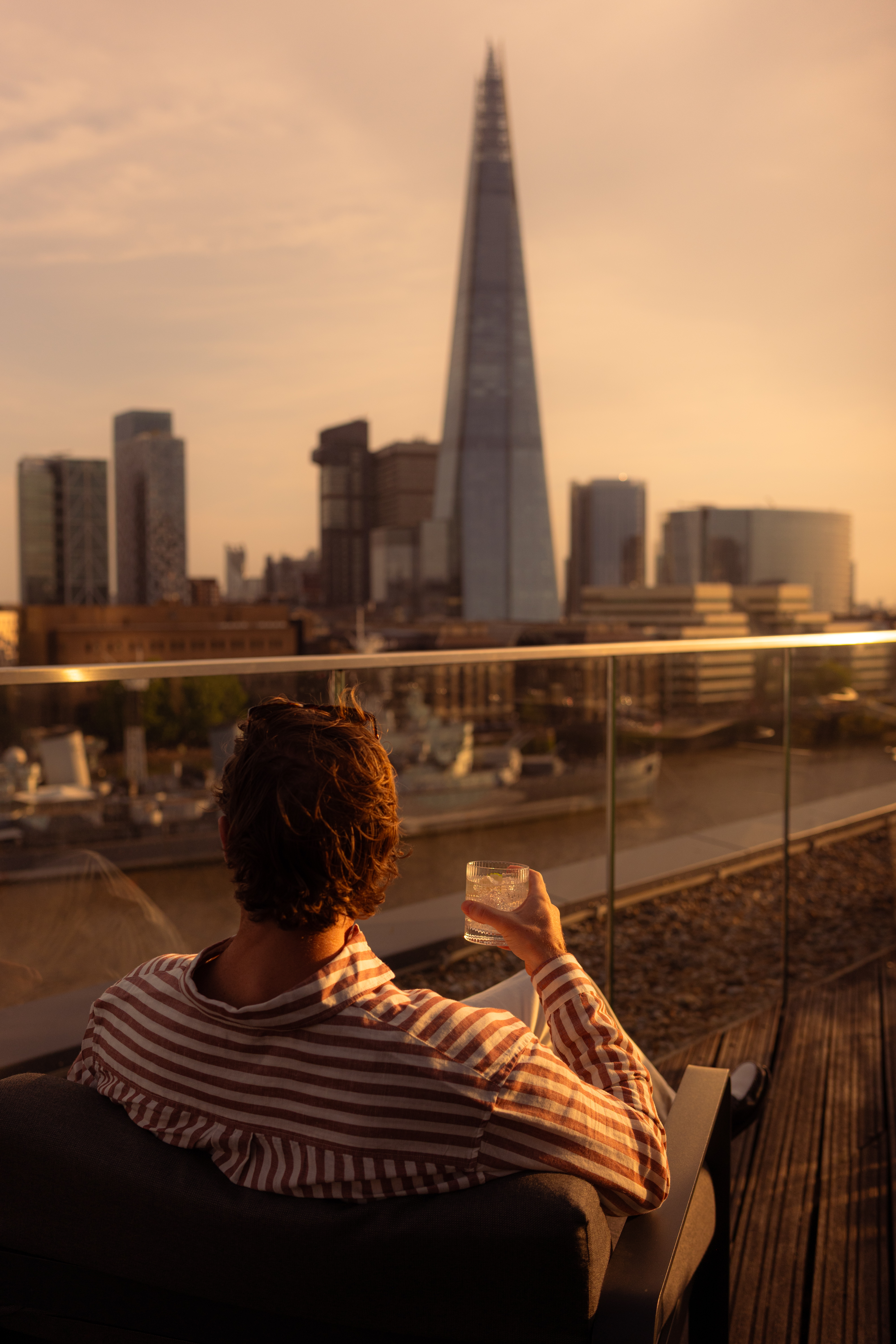
For commercial lifestyle photography at this level, the real work happens before the shutter ever clicks. Model casting matters more than people realise — the guests had to look like actual Cheval guests: a bit cosmopolitan, a bit low-key, well-dressed in a way that doesn’t announce itself. Wardrobe was styled to sit inside the colour palette of the interiors, not fight it. And the day was shot almost entirely in natural light, following the sun around the apartment, with reflectors and subtle fill where we needed to lift the shadow side. The intention throughout was warmth and ease — not polish for the sake of polish.
Shoots Two & Three — Interiors at Phoenix House & Gloucester Park
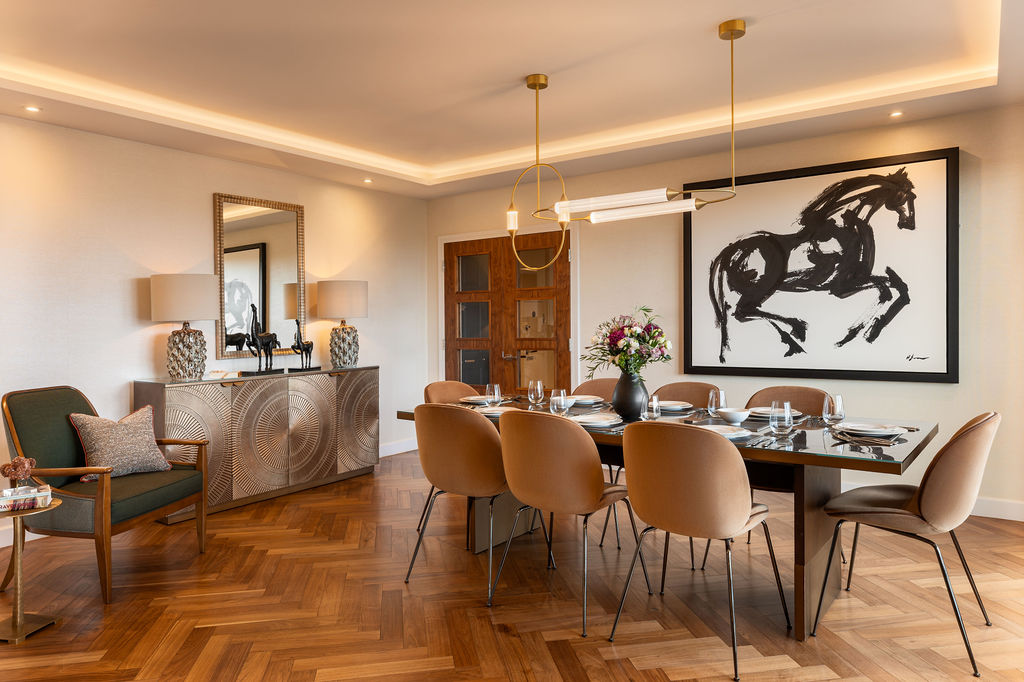
The two interiors shoots ran at Cheval Phoenix House in Belgravia and Cheval Gloucester Park in South Kensington. These are both properties where the architecture does an enormous amount of the heavy lifting — period facades, generous ceiling heights, considered contemporary interiors inside the shell — and the job of the interiors photography was to let that quality read without exaggerating it. For luxury serviced apartments, the interiors imagery has to do two things at once: it has to work as beautiful editorial imagery for the website and brochure, and it has to work as functional, honest listing photography on the big OTAs. Those two uses pull against each other if you let them.
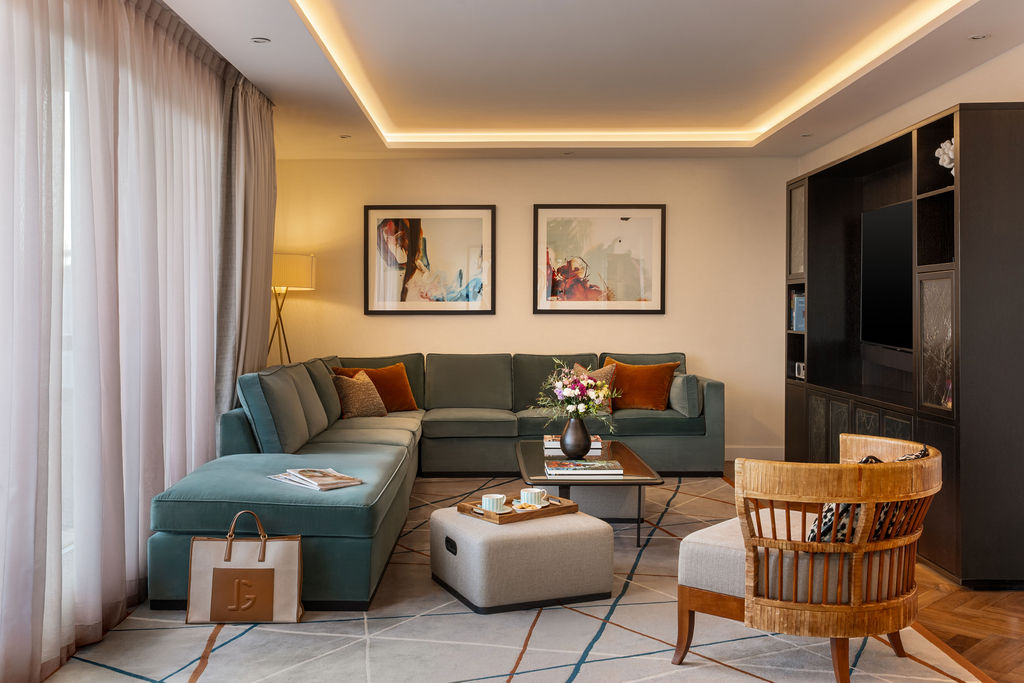
The way I resolve that tension on hospitality interiors work is to shoot every room twice in principle, even when I don’t use both versions: one wider, more descriptive frame that answers the practical ‘what is this space’ question, and one tighter, more atmospheric frame that answers the brand question. For Cheval, the brand frames pulled from a specific visual language — soft side light, deliberate negative space, considered styling that always looked lived in rather than show-home. We styled every room before shooting it: real books on real coffee tables, kettle out, fresh flowers, towels unfolded. Nothing dressed to within an inch of its life.
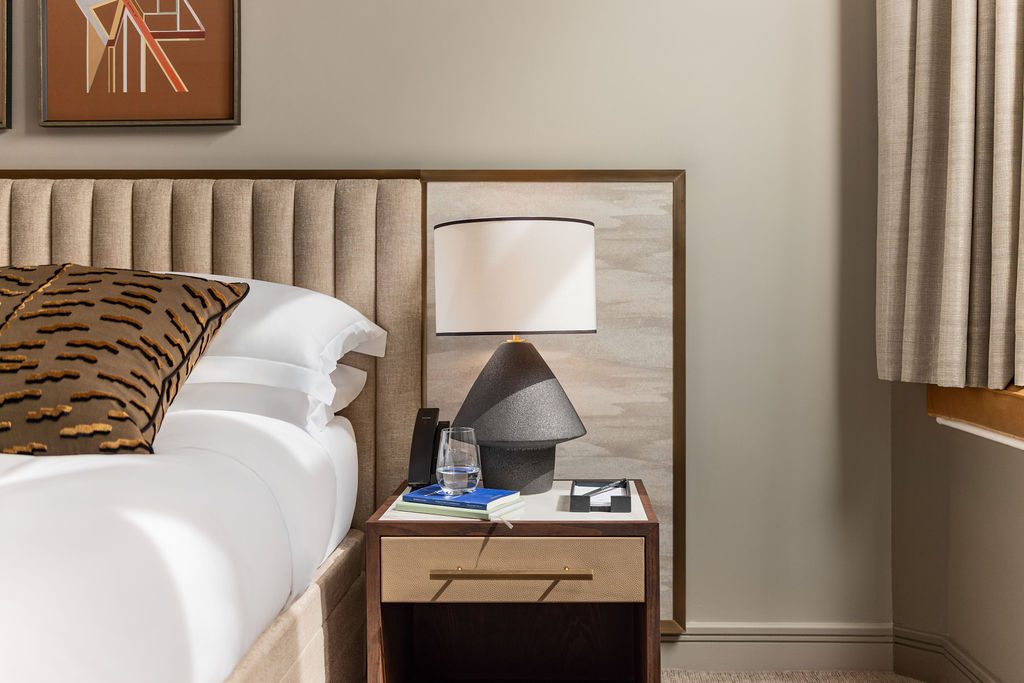
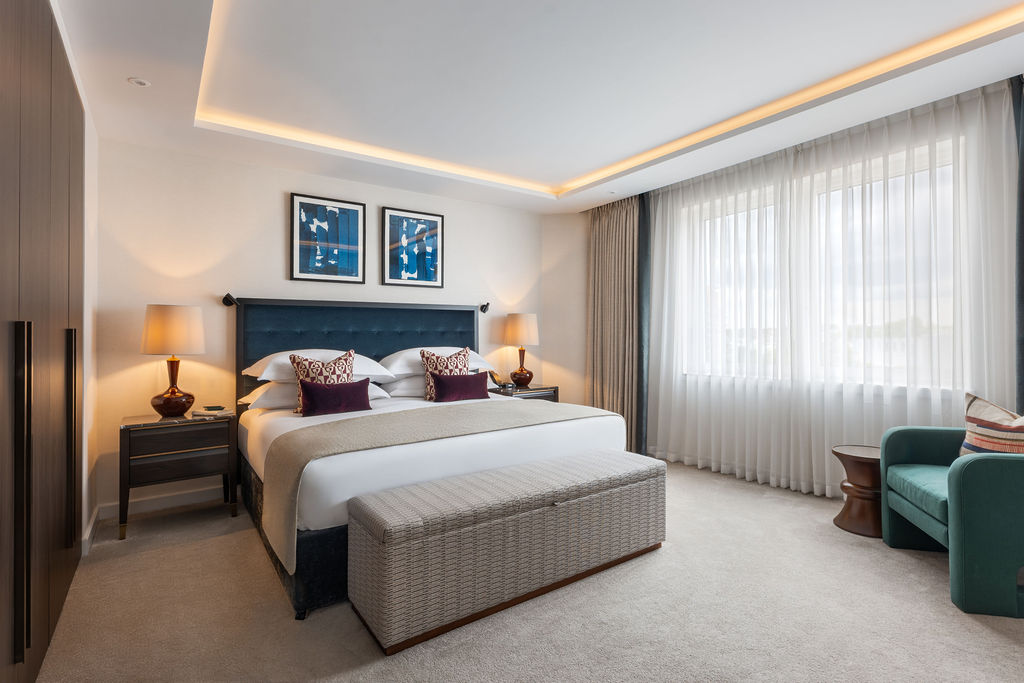
On lighting: the Cheval interiors were shot almost entirely with available light, with small flash additions only to balance deep interiors against bright window exposures and the odd lamp bulb swap to warm things through. Serviced apartment interiors tend to live and die on how honest the daylight feels — prospective guests are quietly scanning each image for whether a room is dark, whether it faces north, whether the ceiling is as high as it looks. Overcooked HDR or heavily composited interiors photography actually loses trust in this category. The restraint was deliberate.
Shoot Four — Service at Lexham Gardens
The fourth shoot was the one that most clearly separates serviced apartment photography from standard hotel photography — a dedicated service shoot at Cheval Lexham Gardens, built around the staff and the small, careful moments of hospitality that run through a stay. Serviced apartments trade on a specific promise: the independence of a home, with the discreet attention of a hotel sitting behind it. That’s almost impossible to express in words on a web page; it has to be shown. The service shoot was the piece of the brief that let us do that.
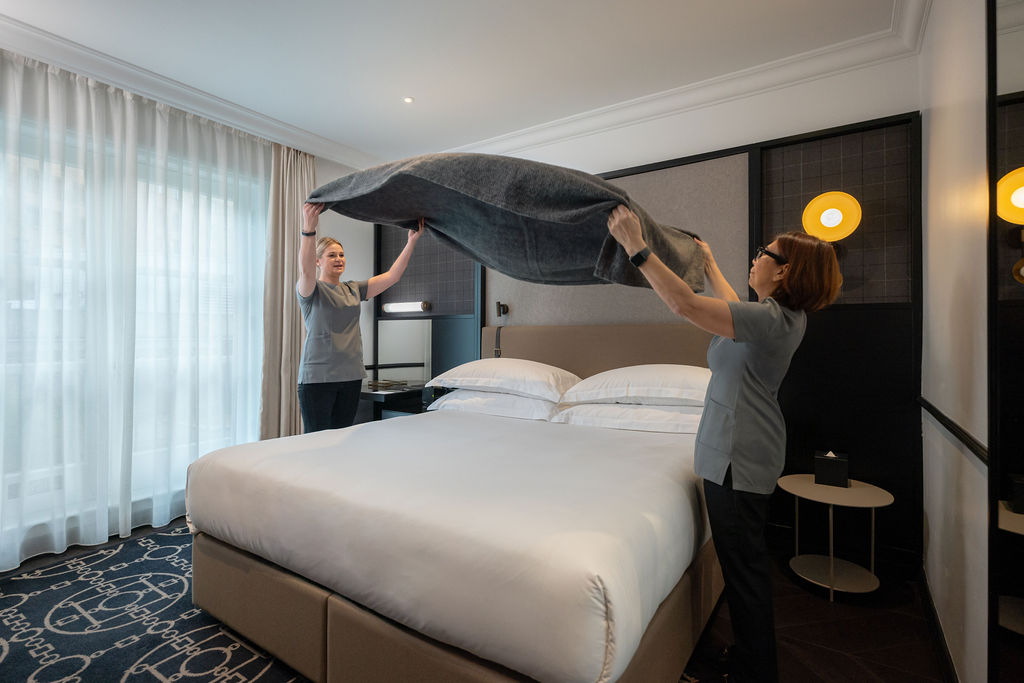
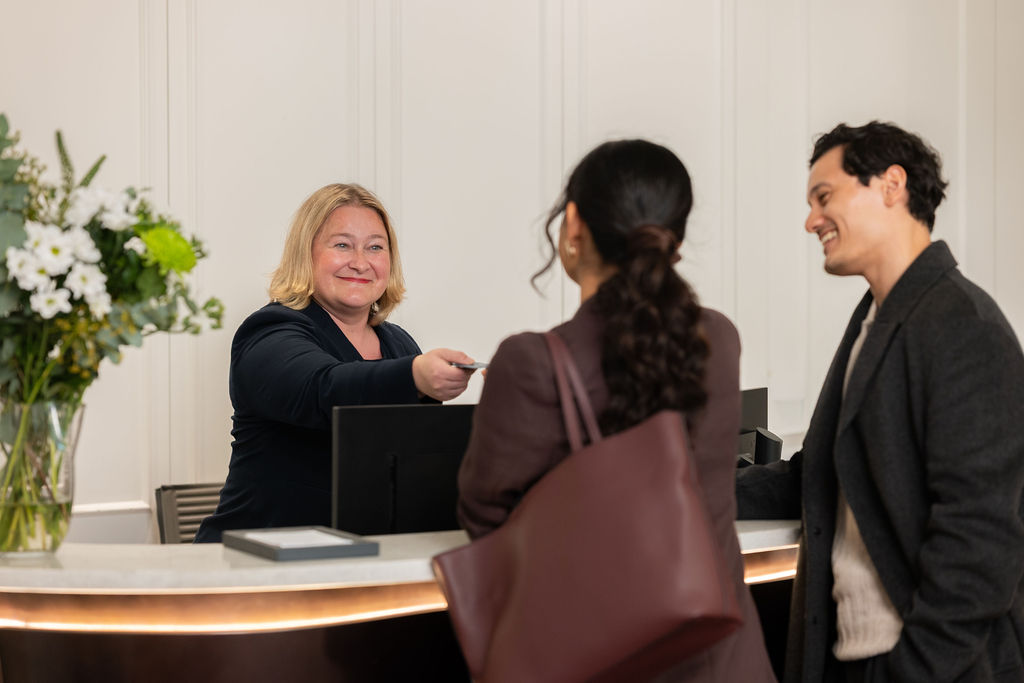
Shooting real staff is always a very different exercise to shooting booked models. The team at Lexham were generous with their time but they’re also people who have a day job to do. The approach was close to reportage — keep the camera unobtrusive, let people get on with real tasks, and look for the small gestures that read as service: hands setting a tray down, a quiet handover of keys, a measured conversation at the front desk. The intention wasn’t to document the hotel-ier moments; it was to document the specific way serviced apartment hospitality actually feels — present but not performative.
And a Fifth, Running Through All of Them
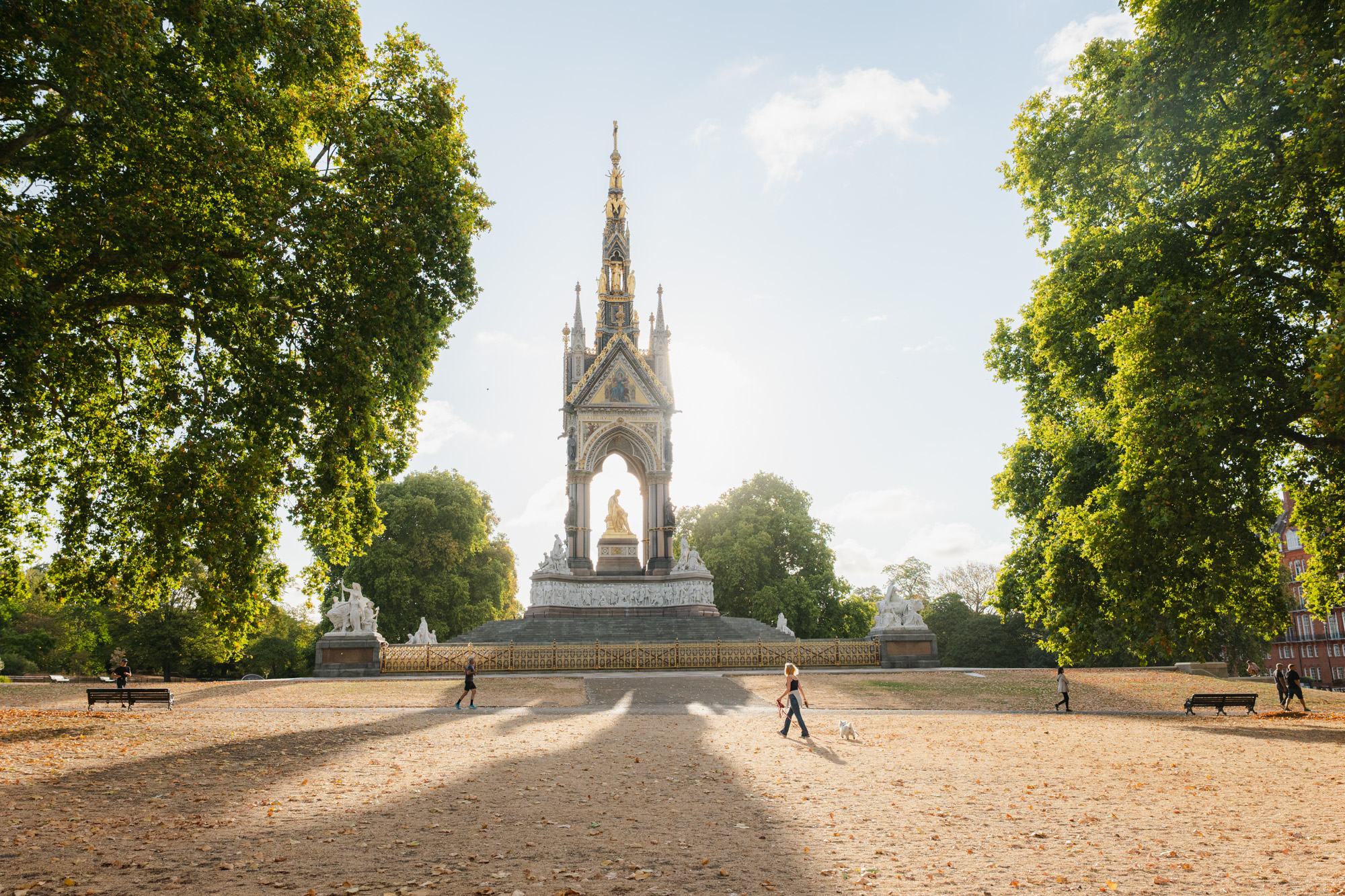
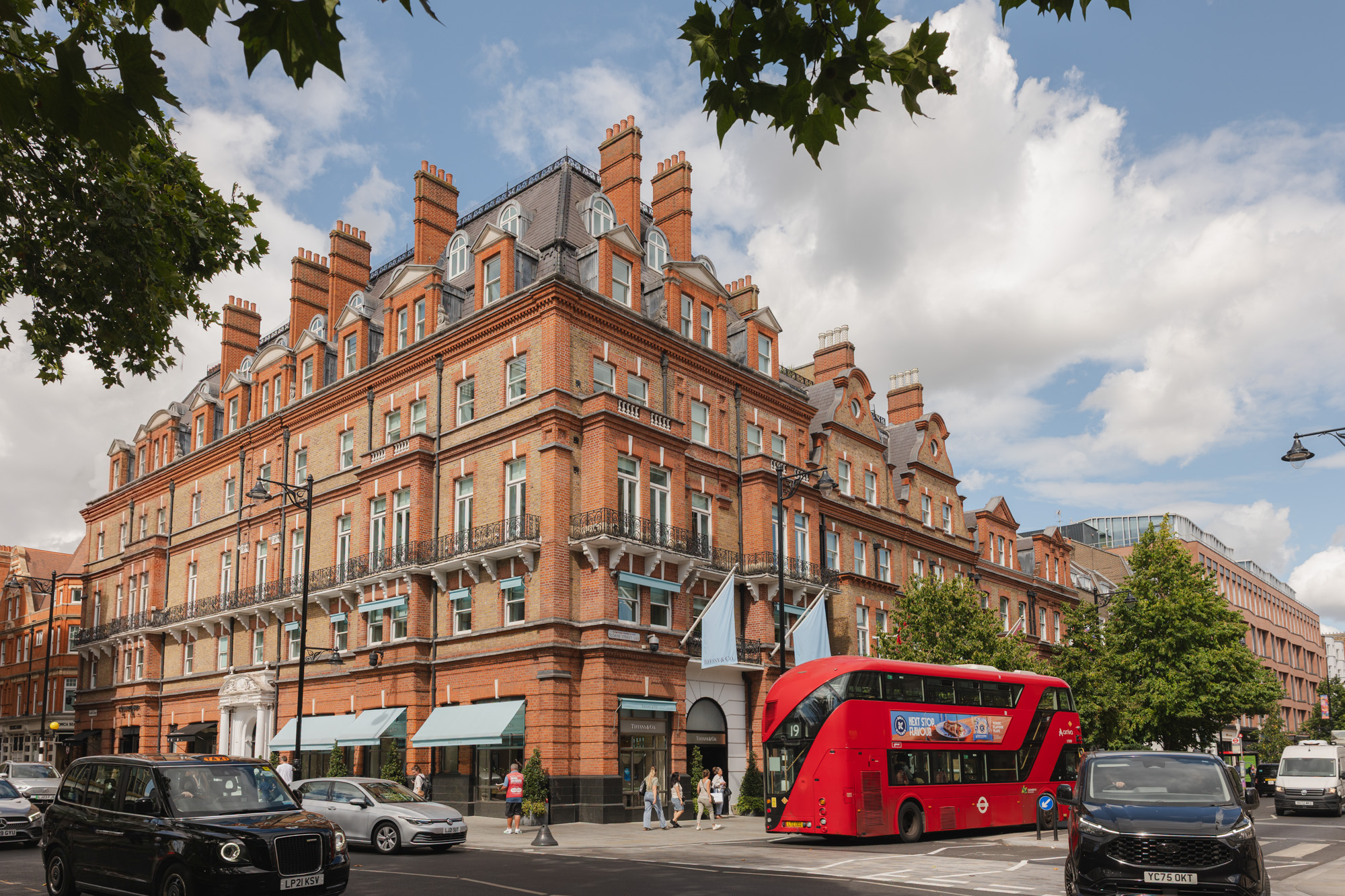
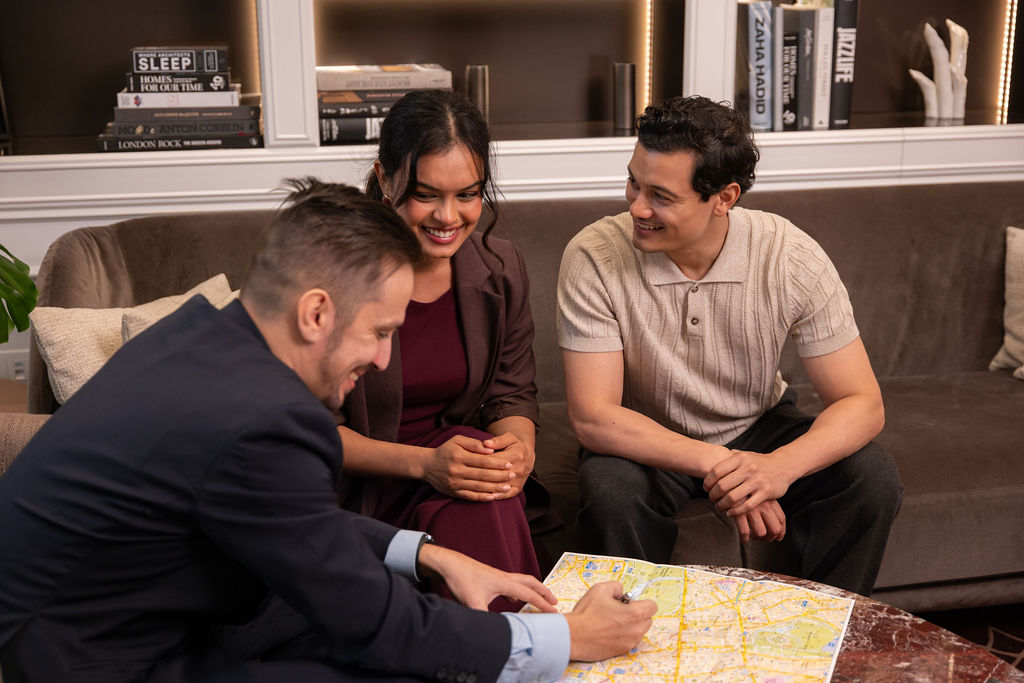
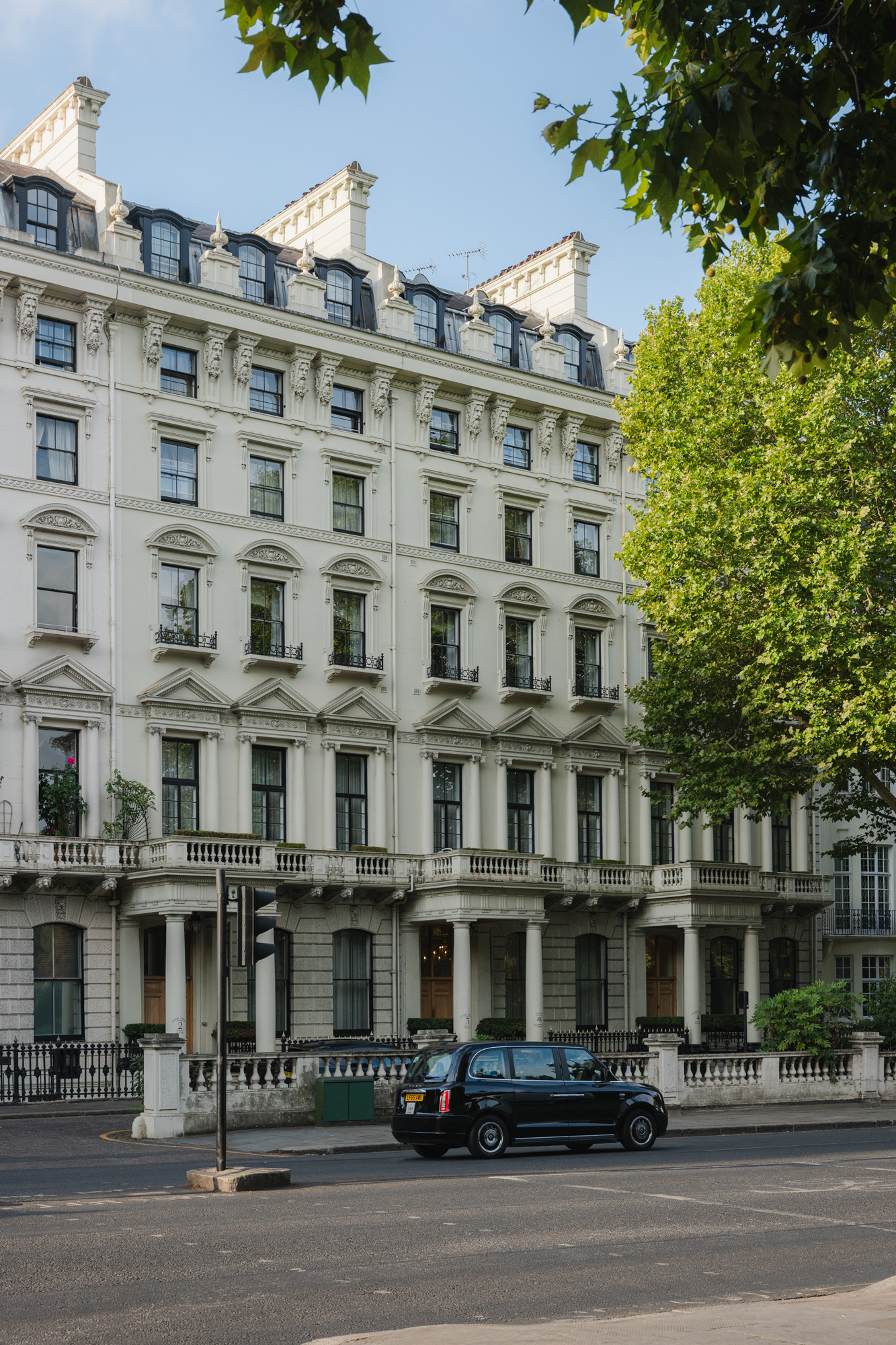
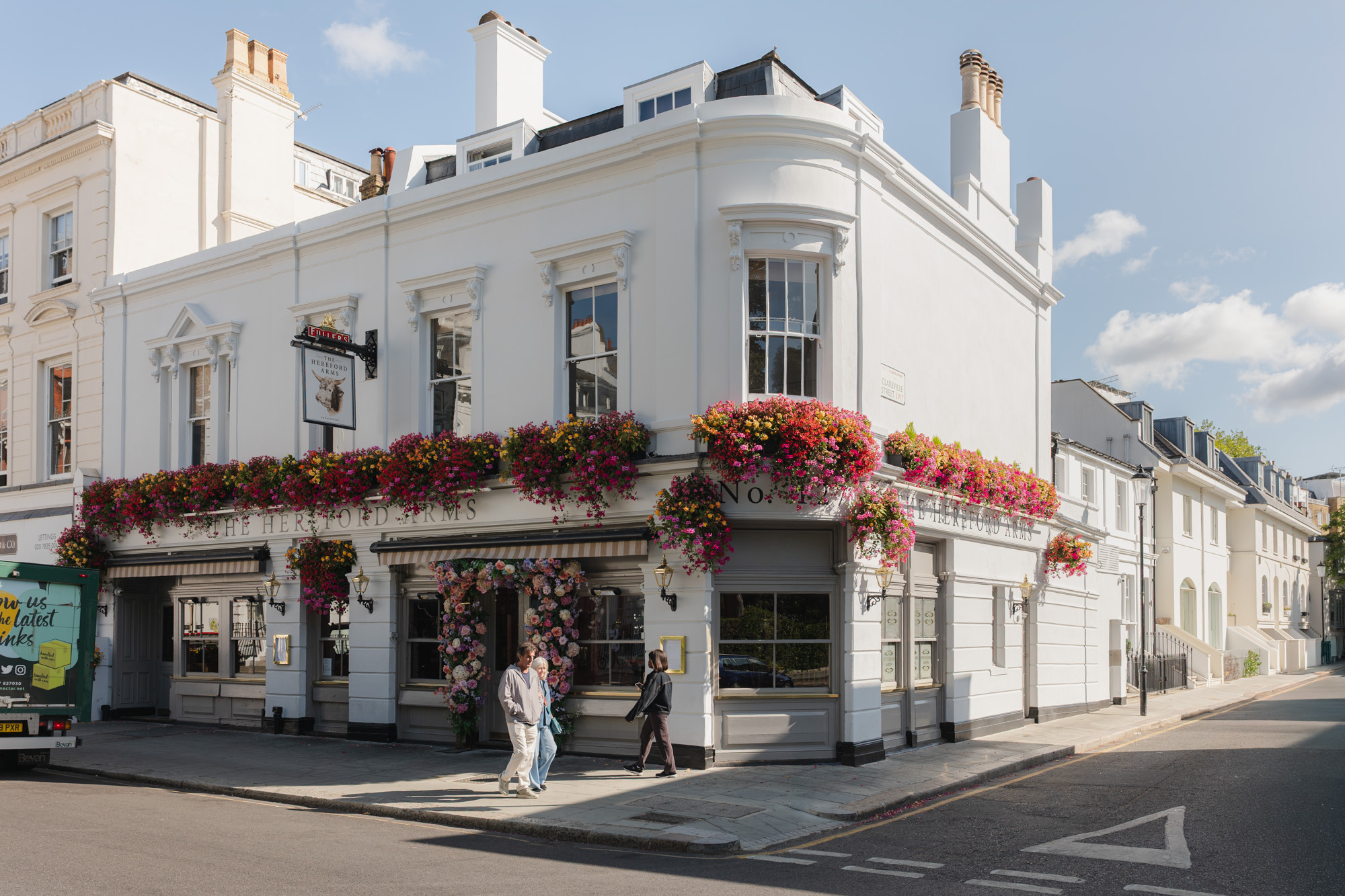
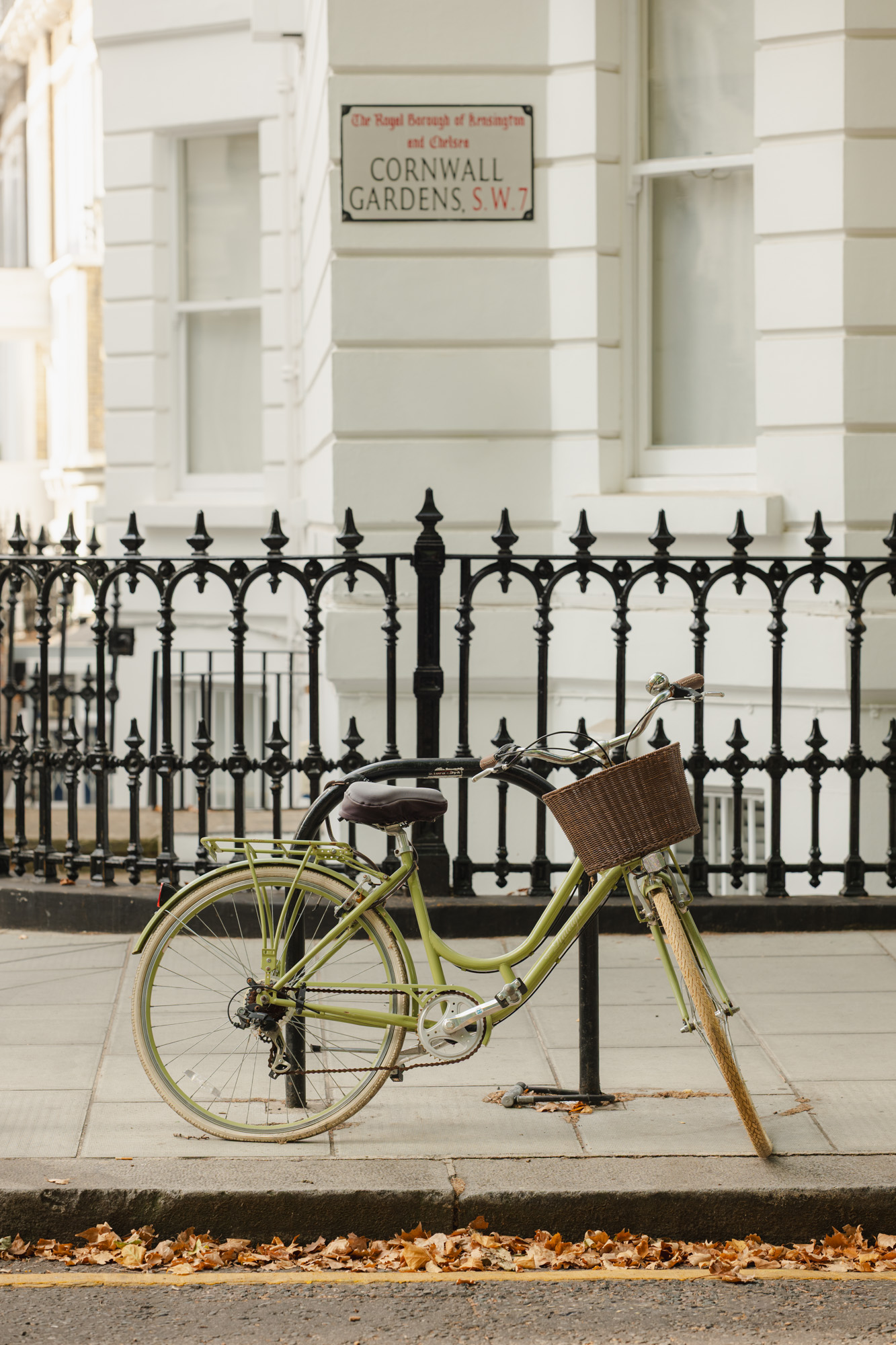
Running quietly alongside the four main shoots was a parallel neighbourhood brief — a documentary strand of imagery capturing daily life in the streets around each property. Mayfair, Kensington, Knightsbridge, Chelsea, Belgravia, Sloane Square, Gloucester Road, the edges of Hyde Park. For a serviced apartments brand, this piece of the library is arguably as important as the interiors. The question a guest is asking isn’t only ‘what’s the apartment like?’ — it’s ‘what’s the life around it like?’. These frames give the website and the social channels a way to answer that second question without ever leaving the brand voice.
What a Hospitality Rebrand Library Actually Needs
If there’s one piece of this project that generalises to any hotel photography or serviced apartment brief, it’s the shape of the brief itself. A rebrand image library isn’t one shoot — it’s a system. For a brand the size of Cheval Collection, we identified four distinct image needs up-front, cast and scheduled each one against the property it was best suited to, and treated every shoot day as a specific contribution to a single, coherent whole. That structural thinking is what lets the website, the OTA tiles, the brochure, and the Instagram grid all read as one brand rather than four different attempts at it.
The second thing I’d name is restraint. In luxury hospitality photography the temptation is always to over-produce — more props, more models, more styling, more light. The Cheval work went in the other direction. Fewer, better, calmer frames; natural light wherever it would carry the shot; genuine interior styling rather than show-home dressing; real staff over actors in a uniform. In my experience, that’s the kind of imagery that actually converts a prospective guest — because they can picture themselves inside it.
You can see the full project on the Cheval Collection case study page, which carries the complete delivered library across all four shoots. If you’re a hospitality brand — a hotel, resort, serviced apartments operator or something in between — working on a rebrand or a refresh of your own imagery, you can find more of my commercial work here, with the full hospitality specialism covered on the hotel photography page, and interiors photography and lifestyle photography covered in their own sections. For anything bespoke, the easiest route in is a quick conversation.
Four Shoots — Four Months — Three Quays, Phoenix House, Gloucester Park, Lexham Gardens — London