What Does a Luxury Hotel Photography Shoot Involve?
If you work in hotel marketing or hospitality, you've probably been involved in commissioning photography at some point — or you're about to be. It can feel like a complex process from the outside, and the truth is, a well-executed hotel shoot does involve a lot of moving parts. But understanding what actually happens — before, during, and after — makes the whole thing easier to plan for, budget accurately, and get the most out of.
Here's what a luxury hotel photography shoot actually looks like in practice.
Before the camera comes out: the planning phase
The work starts well before anyone arrives on site. A proper pre-production process is what separates a shoot that delivers everything you need from one that runs out of time on day two.
For a full property shoot — like the three-day commission I did at the Royal Garden Hotel in Kensington — the pre-shoot prep involves a detailed shot list built around the hotel's room categories, F&B outlets, spa, public spaces, and any lifestyle scenarios the marketing team wants to capture. That might mean 12 room types, 35 lifestyle images, and specific hero shots for the website homepage. Getting that list agreed and signed off before the shoot means no surprises on the day.
Location scouting, even remotely via floor plans and previous imagery, is also part of this phase. Understanding which rooms face east (best for morning light), which restaurant gets the most natural light at lunch, and what time the pool area is cleanest — all of that gets factored in before a single light is packed.
On the ground: how a hotel shoot actually runs
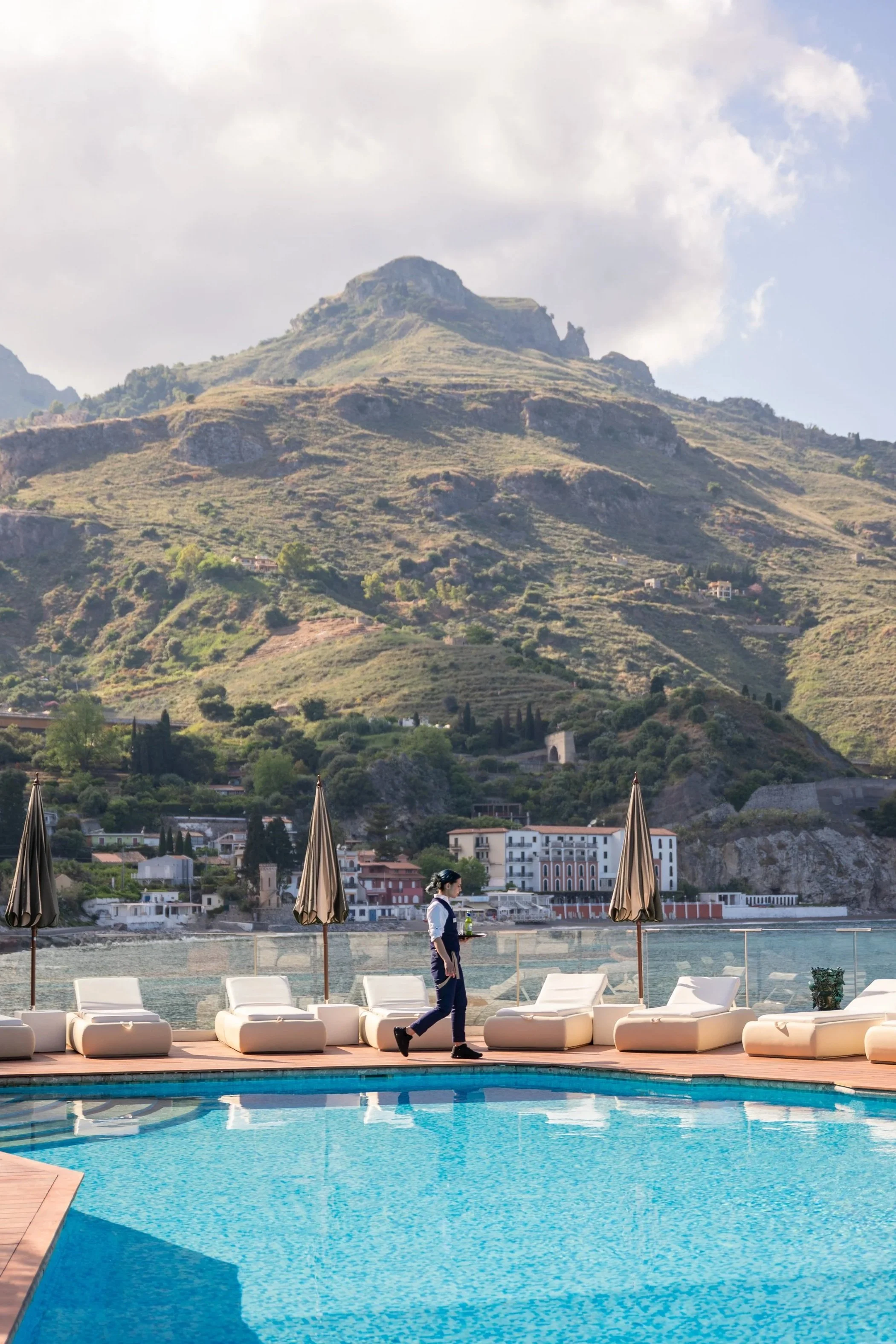
Most hotel shoots run on a room-by-room, space-by-space schedule, timed around natural light windows and hotel operations. Rooms need to be serviced, turned around, and shot before guests check in. Restaurants need to be photographed before service. Pools before the sunbeds fill up.
On larger international commissions — like the week-long Hyatt Ziva and Zilaria shoot in the Dominican Republic, or the VRetreats commission across two properties in Taormina — this becomes genuinely logistical. You're coordinating with the hotel's own ops team, working across multiple buildings, and often adapting the schedule daily based on weather, availability, and what the light is doing.
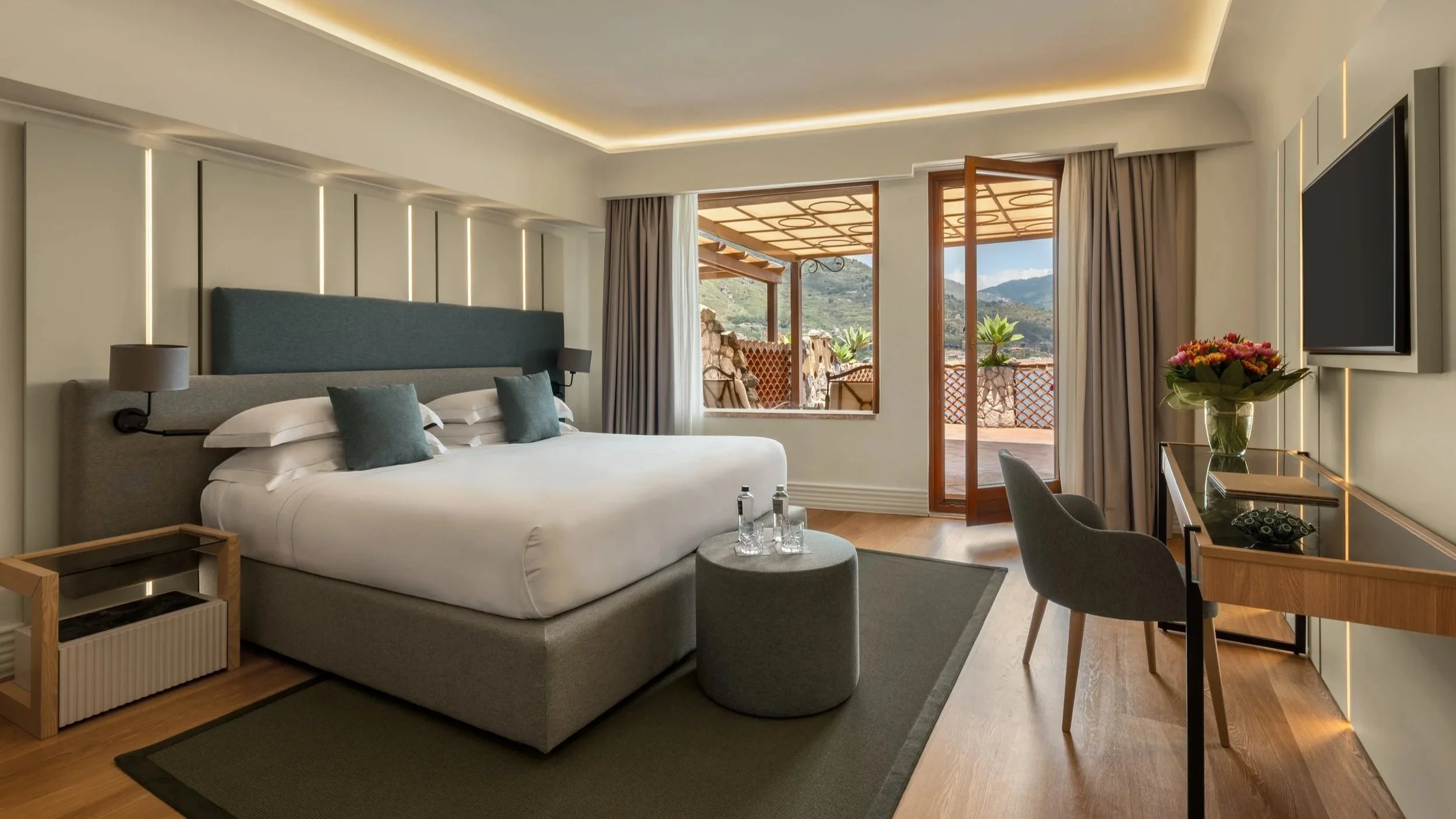
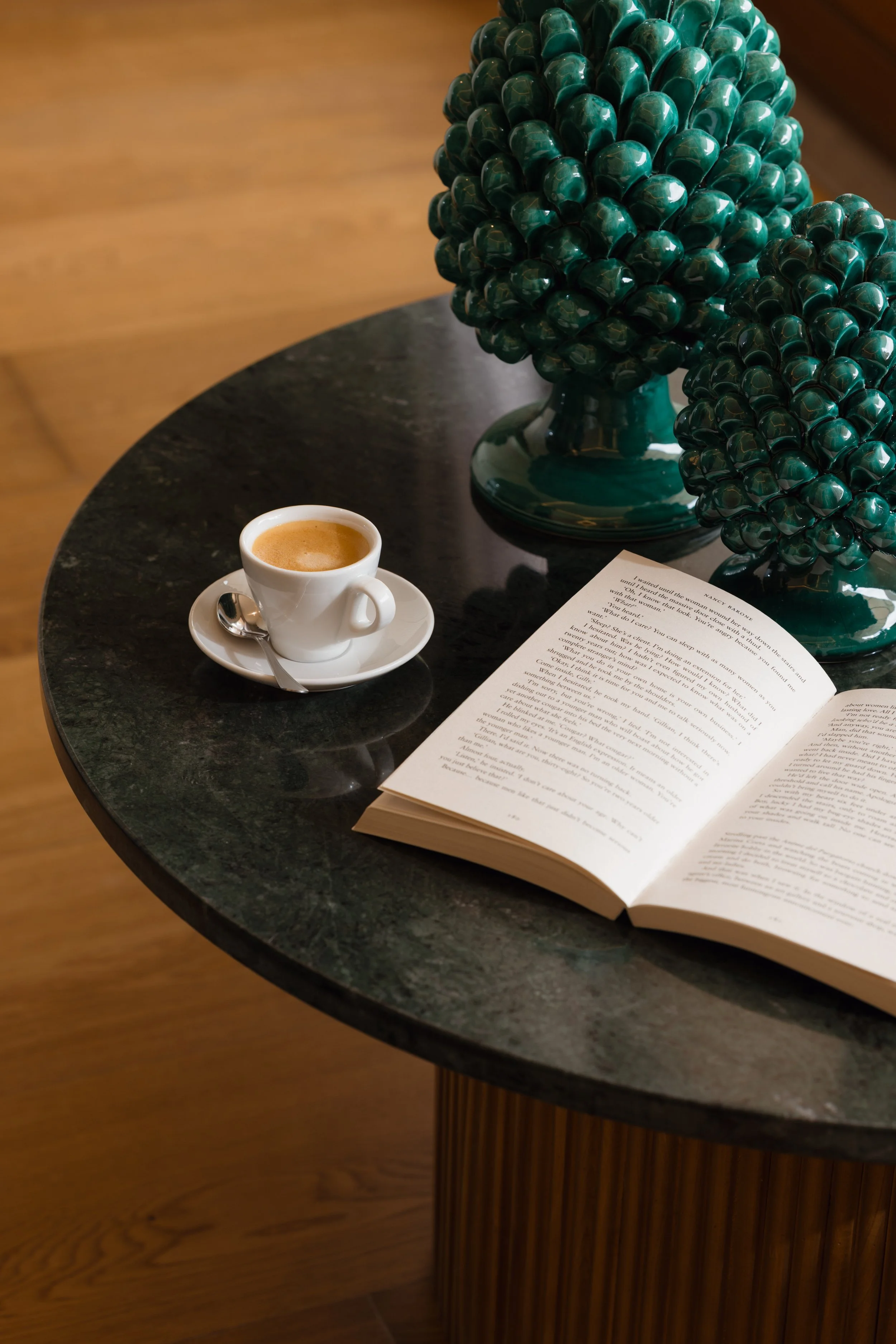
The photography itself tends to follow a consistent approach: available light where possible, supplemented with portable flash or reflectors when needed, and a strong emphasis on making the space feel like somewhere a guest actually wants to be rather than an empty showroom. That means styling matters — towels folded, pillows plumped, amenities positioned, a book on the side table. If there's no dedicated stylist on the brief, a good photographer does this themselves.
Lifestyle content — guests at the pool, couples at dinner, someone enjoying a spa treatment — usually runs alongside the interiors work. This requires models or real guests (with consent), clear shot briefs, and usually a separate chunk of time in the schedule.
What you should plan for as a client
A few things make hotel shoots run smoothly that are worth knowing on the client side:
Access and room holds. You'll need rooms held out of inventory for the duration of the shoot. This is a cost that's easy to overlook when budgeting, particularly on larger properties or peak-season shoots.
A dedicated point of contact on site. Someone who knows the property, can open doors, coordinate with housekeeping, and make quick decisions when the schedule shifts. This person is invaluable.
Realistic timelines. A single room — properly styled, lit, and shot from multiple angles — takes 45 minutes to an hour. A full-property shoot that delivers 80–100 usable finals realistically needs two to three days minimum. Trying to compress that leads to compromises.
Post-production. The shoot is only half of it. Retouching, colour grading, and delivering a library of correctly sized and formatted images for web, OTA, print, and social takes time. Build it into the timeline.
Why the brief matters more than the budget
The biggest thing I've learned across hotel shoots from Kensington to Cancun to Sicily is that the quality of the brief determines the quality of the outcome more than almost anything else. A clear brief — what the images are for, where they'll be used, what feeling they need to convey, which spaces are priority — gives the photographer everything they need to make the right decisions on the day.
If you're planning a hotel photography shoot and want to talk through scope, timeline, or what's realistic for your budget, feel free to get in touch.